

Living in Your Home While Selling It: How We Make It Work
Published on July 8, 2026 by
Stephanie Younger



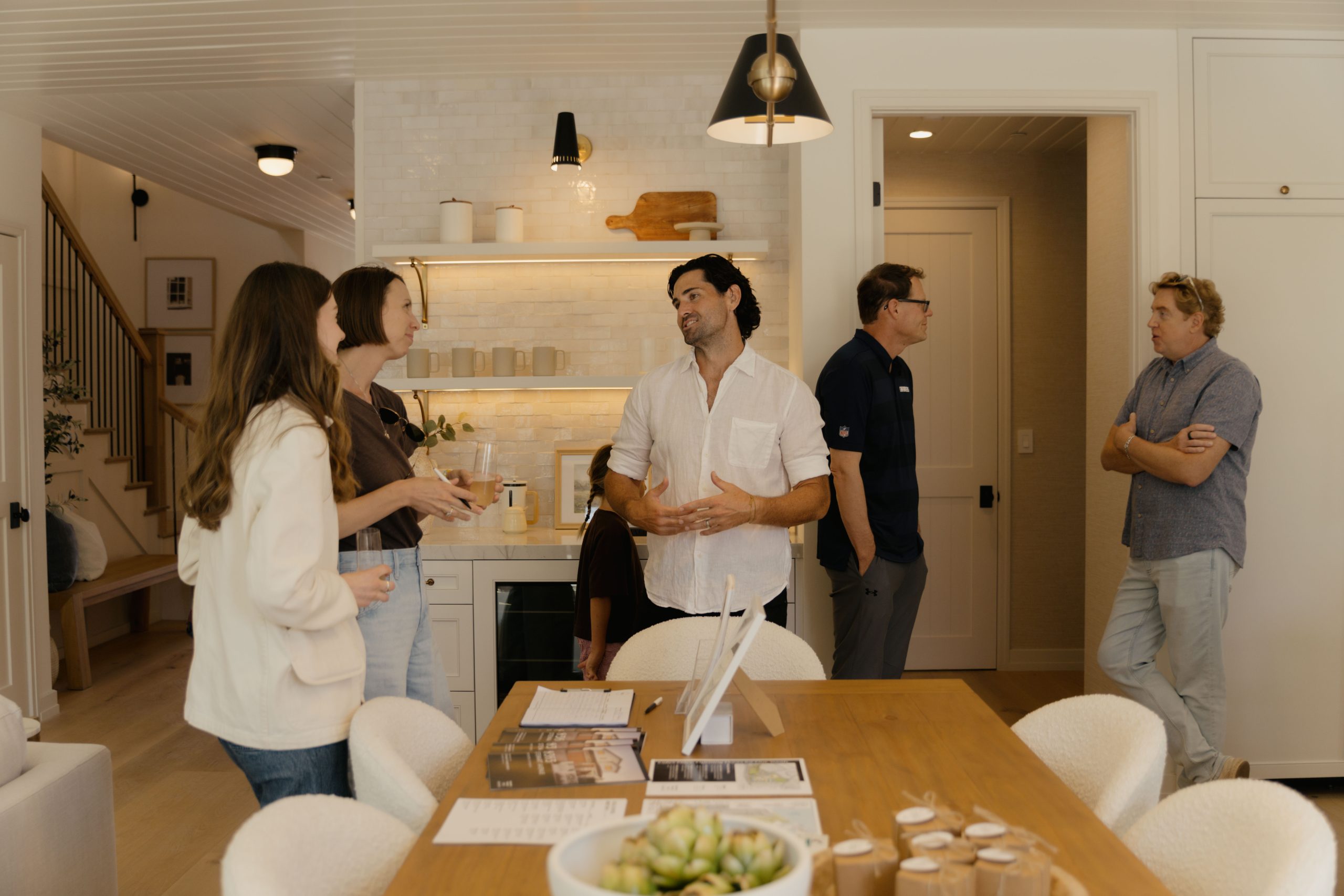
Most articles about selling a home quietly assume the seller has already moved out — that the property is vacant, professionally staged, and available for showings at any hour with no complications. That is not the reality for all Westside sellers. Most people are still living in their homes while those homes are on the market. They are making dinner, getting kids to school, working from the dining table, and keeping the household running, all while the property is being actively marketed and shown to buyers.
Selling an occupied home is entirely manageable. We do it constantly, with families, with pets, with home offices, with young children, with every kind of real-life complication. The difference between a stressful experience and a smooth one is rarely the circumstances themselves. It is the plan the team puts in place before the first showing, and the systems that keep the process from disrupting your actual life.
Here is an honest look at what it is really like to live in your home while selling it — the genuine pain points, the underappreciated upsides, how it affects staging, and specifically how we make any situation work.
We are not going to pretend selling an occupied home is effortless. It has real friction, and naming that friction honestly is the first step toward managing it.
The constant readiness. The biggest ongoing challenge is keeping the home show-ready when you are living in it every day. Buyers on the Westside often want to see a property on short notice, and every showing requires the home to look its best. For a household in active daily use, that means a level of ongoing tidiness that is genuinely demanding to maintain over the weeks a property is on the market.
The disruption of showings. Every showing requires you to leave — with the kids, with the pets, with the laptop if you work from home. A well-timed showing is a minor inconvenience. A cluster of showings across a weekend, or a last-minute request during a workday, requires real coordination. For families with young children or pets, the logistics of clearing out on short notice are the single most-cited frustration.
The loss of privacy. Having your home photographed, marketed, and walked through by strangers is an emotional adjustment. The place where you live your private life becomes, temporarily, a product being evaluated. That shift is real, and it affects people more than they often expect going in.
The pressure on daily routines. Working from home during an active listing, managing a newborn's nap schedule around showings, keeping a dog out of the way during open houses — the friction of maintaining normal routines while accommodating the sale is the accumulated weight of many small adjustments.
The emotional weight. Selling a home you have lived in and loved is emotional under any circumstances. Doing it while still living there, still surrounded by the life you built in the space, adds a layer that is worth acknowledging rather than dismissing.
These are real. We name them because pretending they do not exist is not helpful. What is helpful is having a team that has solved each one many times and puts systems in place to minimize every one of them.
Living in your home while selling it is not all friction. There are genuine advantages, and they are worth understanding because they change the calculation for sellers weighing whether to move out first.
A lived-in home shows warmth that a vacant home cannot. An empty house can feel cold and can actually make rooms look smaller, because there is no furniture to give a sense of scale or purpose. A thoughtfully maintained occupied home shows buyers what it feels like to actually live there. When done well, the warmth of a lived-in space is an asset, not a liability. Buyers connect emotionally with a home that feels like a home.
You avoid the cost of carrying two properties. Moving out before selling means either paying for a rental and a mortgage simultaneously or leaving a vacant home while you carry it. Staying put during the sale eliminates that double carrying cost, which for many sellers is a significant financial consideration.
You maintain the home in real time. An occupied home is a maintained home. Small issues get noticed and addressed. The landscaping stays current. The property stays clean and cared for in a way that vacant homes, which can develop a neglected feeling quickly, often do not.
You keep control of your timeline. Staying in the home until you have a firm sale and a clear move date gives you flexibility. You are not committed to a move-out before you know when and where you are going next. For sellers who are also buying, this coordination is genuinely valuable.
The upsides are real enough that for many sellers, staying in the home during the sale is not a compromise — it is the better choice, when it is managed correctly.
Staging an occupied home is different from staging a vacant one, and it is one of the areas where an experienced team makes the most visible difference.
The goal of staging an occupied home is to present the space at its best while keeping it functional for the people living there. That is a genuine balance, and it is achievable. The approach we take involves several specific steps.
We edit before we stage. The first step in any occupied home is editing — removing the excess furniture, the personal items, the accumulated belongings that make a lived-in home feel full. This is not about erasing your personality from the space. It is about creating the visual clarity that lets buyers imagine themselves in the home. A significant portion of what most households own needs to be temporarily removed or stored during a listing, and we guide sellers through exactly what stays and what goes.
We blend your furnishings with staging elements. In many occupied homes, the right approach is a hybrid — keeping the pieces of your furniture that photograph and show well, supplementing with staging furniture and accessories where needed, and creating a cohesive presentation that reads as aspirational without being sterile. This is a craft, and it produces better results than either leaving a home exactly as-lived-in or emptying it completely.
We depersonalize strategically. Family photos, personal collections, the specific markers of your individual life come down during the listing. Buyers need to be able to project their own life onto the space, and that is harder when they are looking at the visual evidence of someone else's. This is temporary and it is not personal — it is one of the most reliable ways to help buyers connect with the home.
We create systems for daily life. The practical reality of staging an occupied home is that you still need to live there. We help set up systems — designated storage for the everyday items that need to disappear before a showing, a routine for quick reset before buyers arrive, solutions for the specific challenges of your household, whether that is kids' toys, pet supplies, or home office equipment. The goal is a home that can transition from lived-in to show-ready in fifteen minutes rather than two hours.
We use Compass Concierge for pre-listing improvements. For sellers who want to make strategic improvements before listing, Compass Concierge allows those improvements to be funded upfront and repaid at closing. This means the preparation that makes an occupied home show beautifully does not require out-of-pocket cost during the process, and it is coordinated to minimize disruption to your daily life.
The showing process is where the friction of an occupied sale is most acute, and it is where our systems make the biggest practical difference.
We coordinate showings around your actual schedule and constraints. If you work from home, we build showing windows that respect your work schedule. If you have a napping infant, we schedule around nap times. If you have pets, we develop a plan for where they go during showings and open houses. We do not simply hand out lockbox access and let showings happen chaotically — we manage the schedule actively to protect your daily life while still giving the property the exposure it needs to sell.
We also concentrate showings intelligently. Rather than scattered individual showings that require you to clear out repeatedly, we work to cluster showings and use well-marketed open houses to generate concentrated buyer traffic in defined windows. Our open houses average 48 parties per weekend — 433% above the Compass Los Angeles market average — which means a single well-attended open house can generate the buyer interest that would otherwise require a dozen individual showings scattered across the week. That concentration is genuinely easier on a household that is still living in the home.
We want to be specific about the range of real-life situations we handle, because sellers often assume their particular complication makes selling harder than it actually is.
Families with young children. Households with multiple pets. Sellers working from home full-time. Multi-generational households. Homes with home offices, home gyms, and the specific spaces of modern life. Sellers on tight timelines and sellers with no timeline at all. Homes that need significant preparation and homes that are ready to go. We have made every one of these situations work, and we have systems for each.
The single most important thing to understand is this: your specific situation, whatever it is, is not an obstacle to selling successfully. It is simply a set of circumstances to plan around, and planning around real-life circumstances is a core part of what we do. The sellers who have the smoothest experiences are the ones who told us honestly about their constraints up front, so we could build the plan around their actual life rather than an idealized version of it.
Living in your home while you sell it is the norm, not the exception, and it is entirely manageable with the right team and the right plan. The pain points are real but solvable. The upsides — a home that shows with warmth, no double carrying costs, timeline flexibility — are genuine. And the staging, showing, and daily-life logistics that make it work are exactly the kind of thing an experienced team handles as a matter of routine.
You do not have to move out to sell well. You do not have to disrupt your entire life. You need a plan built around your actual circumstances and a team that has solved your specific situation many times before. That is what we provide, and it is why our sellers describe the process as far more manageable than they expected going in.
If you are thinking about selling and wondering how it will work with your kids, your pets, your work-from-home setup, or any other real-life circumstance, that is exactly the conversation we are good at. Call 310.499.2020 or reach out online, and we will walk through what the process would actually look like for your specific situation.
Q: Can I live in my home while it is on the market in Los Angeles?
Yes, and most Westside sellers do exactly that. Living in your home while selling is the norm rather than the exception. It requires keeping the home show-ready and accommodating showings, but with the right systems in place, it is entirely manageable — even with children, pets, and a work-from-home setup. An experienced team builds a plan around your actual daily life to minimize disruption throughout the process.
Q: Does a lived-in home sell as well as a vacant staged home?
Often better. A thoughtfully maintained occupied home shows buyers what it feels like to actually live in the space, which creates emotional connection that a vacant home cannot. Empty houses can feel cold and can make rooms look smaller because there is no furniture to convey scale. The key is proper editing, strategic depersonalization, and professional staging that blends your furnishings with staging elements. Done well, an occupied home is an asset in the sale.
Q: How do showings work when I am still living in my home?
Showings require you to leave the home temporarily, typically for 30 to 60 minutes. An experienced team coordinates showings around your actual schedule — respecting work-from-home hours, nap schedules, and pet arrangements — rather than allowing chaotic unmanaged access. Concentrating buyer traffic through well-marketed open houses also reduces the number of individual showings you need to accommodate. The Stephanie Younger Group's open houses average 48 parties per weekend, meaning a single strong open house can replace many scattered individual showings.
Q: How do I keep my house show-ready while living in it with kids and pets?
The key is systems. Designated storage for everyday items that need to disappear before showings, a quick-reset routine that transitions the home from lived-in to show-ready in about fifteen minutes, and specific solutions for your household's challenges — toys, pet supplies, home office equipment. We help sellers set up exactly these systems as part of the listing preparation, which makes the ongoing maintenance dramatically more manageable than trying to keep an entire home pristine at all times.
Q: Should I move out before selling my home?
It depends on your situation, but for many sellers, staying in the home during the sale is the better choice. Staying avoids the cost of carrying two properties, keeps the home maintained in real time, preserves timeline flexibility, and allows the home to show with the warmth of a lived-in space. Moving out first makes sense in specific circumstances, but it is not required for a successful sale and often is not the optimal choice. We help sellers evaluate which approach fits their specific situation.
Q: How does Compass Concierge help when selling an occupied home?
Compass Concierge allows sellers to fund pre-listing improvements upfront with the cost repaid at closing, meaning the preparation that makes an occupied home show beautifully does not require out-of-pocket expense during the process. For sellers living in the home, this covers strategic improvements — painting, minor repairs, staging, landscaping — coordinated to minimize disruption to daily life while maximizing the home's presentation and final sale price.


