

The 5 Most Important Home Inspections Every LA Buyer Should Know
Published on July 6, 2026 by
Stephanie Younger



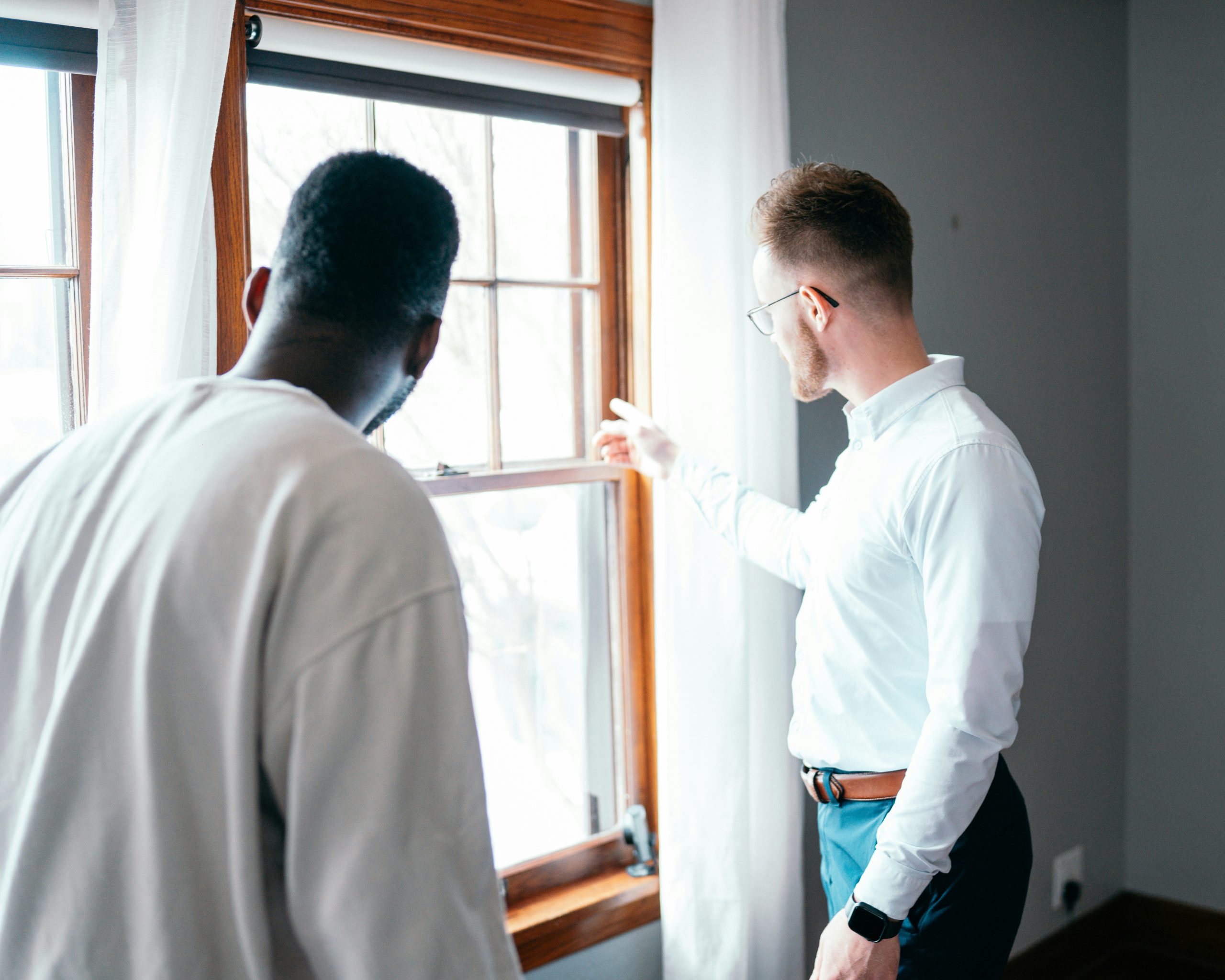
The inspection contingency period is the most important window in a real estate transaction. It is the specific timeframe — typically 17 days in the standard California residential purchase agreement — during which a buyer can conduct due diligence on the property and, if the findings warrant it, renegotiate the purchase price, request repairs, or cancel the contract entirely without losing their deposit.
What most buyers do not realize until they are in escrow is that the general home inspection is only the beginning of what should happen during this window. A general inspector spends roughly two to three hours walking the property and produces a report covering major systems, but their scope is deliberately limited. They are generalists, not specialists. On a $1.5 million Westside property, the difference between what a general inspection catches and what a properly scoped inspection package catches can be $50,000 or more in undisclosed issues.
The buyers who close on the strongest properties in Los Angeles are the ones who understand which additional inspections are worth ordering, for which properties, and when. Here are the five inspection categories every serious LA buyer should know about, ranked by how often they surface material issues in our transactions.
Cost: $500 to $800 for most Westside properties, higher for larger homes
Timing: Typically ordered within the first three to five days of the contingency period
What it covers: A general home inspector conducts a visual, non-invasive assessment of the property's major systems and components. That includes the roof, exterior, structure and foundation, electrical, plumbing, HVAC, appliances, insulation, and interior conditions. The inspection produces a written report — often 40 to 80 pages — with photos, descriptions of any issues found, and recommendations for further evaluation by specialists where warranted.
What it misses: A general inspector does not open walls, dig into the yard, climb into confined spaces without safe access, or run diagnostic tests on individual components. They are looking for observable issues — visible water damage, obvious electrical problems, cracked tiles, missing insulation, appliances that do not run — but they cannot see behind finishes, into pipes, or under the ground. Anything that requires specialized equipment or destructive investigation falls outside their scope.
Why it matters: The general inspection is the foundation of the due diligence process. It identifies which specialized inspections are worth ordering based on what the general inspector observes. If the general inspection flags concerns about the sewer line, that triggers a sewer scope. Concerns about the foundation trigger a foundation engineer. Concerns about the chimney trigger a chimney inspection. Treating the general inspection as the entire due diligence process — rather than as the trigger for further specialized work — is the single most common inspection mistake we see.
Cost: $250 to $500
Timing: Concurrent with or immediately after the general inspection
What it covers: A sewer scope inspection uses a camera on a flexible cable that is fed through the property's main sewer line from the cleanout to the city connection. The video captures the interior condition of the sewer pipe along its full length, revealing cracks, root intrusion, offset joints, corrosion, sagging or "bellied" sections where debris accumulates, and any evidence of prior repairs or failed materials.
Why it matters more in Los Angeles than most buyers realize: The Westside housing stock is old. Westchester bungalows built in the 1940s, Mar Vista homes from the 1930s and 1940s, and older properties throughout Culver City and Palms often still have the original clay tile or cast-iron sewer lines from when they were built. Those materials have finite service lives. Clay pipes crack. Cast iron corrodes from the inside. Tree roots — Los Angeles has some of the most aggressive root systems in the country due to the ficus, magnolia, and eucalyptus trees prevalent in older neighborhoods — grow into any crack or joint they can find.
Sewer line replacement on a Westside property routinely runs $8,000 to $25,000 depending on length, depth, and whether the line runs under hardscape, driveways, or mature landscaping that needs to be replaced afterward. Full replacements involving trenching under a driveway or through a landscaped front yard can exceed $30,000. This is one of the highest-cost repair categories that regularly surprises buyers post-closing, and a $350 sewer scope during the contingency window prevents the surprise entirely.
If the scope reveals issues, the seller often agrees to credit the buyer for the repair or complete it before closing. If no scope was ordered and the buyer discovers the problem six months after closing, they own it.
Cost: $200 to $500 depending on inspection level and whether cameras are used
Timing: Ordered during the general inspection window if the property has a fireplace and chimney
What it covers: A chimney inspection evaluates the exterior masonry or metal chimney structure, the flue liner, the firebox, the damper, and any surrounding materials. A Level 1 inspection is a visual review of accessible portions. A Level 2 inspection uses cameras to view the interior of the flue and identify cracks, deterioration, or blockages. Level 3 involves partial demolition when serious issues are suspected but not confirmable by other means.
Why it matters more than buyers realize: Los Angeles has a specific seismic history that affects chimneys directly. The Northridge earthquake in 1994 damaged an estimated 65,000 chimneys in the Los Angeles region. The Whittier Narrows quake in 1987 damaged tens of thousands more. Most of the properties on the Westside that were standing during those events had chimneys that experienced some level of damage, and much of that damage was repaired inadequately or not at all in the decades since.
Cracked flue liners can allow combustion gases into the house — a genuine safety issue. Deteriorated masonry can drop bricks or tiles onto roofs during subsequent seismic events. Cracked firebox refractory panels can allow heat transfer into surrounding framing, creating fire risk over time. Repair costs range from a few hundred dollars for minor tuckpointing to $10,000 to $40,000 for a full rebuild of a masonry chimney that has structural damage.
Any Westside property with a fireplace and a chimney that has not had a documented recent Level 2 inspection should have one during the buyer contingency period. If the property is older than 1994 and there is no record of post-Northridge chimney work, that is a specific reason to order this inspection.
Cost: $500 to $1,500 for a licensed structural engineer's evaluation and report
Timing: Ordered when the general inspector flags concerns, or on any pre-1960 property regardless of general inspection findings
What it covers: A structural engineer or foundation specialist evaluates the foundation type and condition, the framing structure, load-bearing walls, evidence of settlement or movement, and the property's seismic retrofit status. They produce a report identifying any structural concerns and providing recommendations for remediation.
Why this matters on the Westside specifically: Los Angeles foundation types vary significantly by era of construction. Pre-1930s homes often have raised perimeter foundations with crawl spaces. 1940s and 1950s homes commonly have raised foundations with wood floor systems above ventilated crawl spaces. Later construction moved to slab-on-grade foundations. Each foundation type has specific failure modes, specific repair costs, and specific seismic vulnerabilities.
The seismic dimension matters everywhere in California but particularly on the Westside, which sits within relatively close range of several active faults. The Newport-Inglewood fault runs through the middle of the region. The Santa Monica fault runs along the northern boundary. Older homes without seismic retrofits — cripple wall bracing, foundation bolting, sheer walls — have real vulnerabilities that most general inspectors are not qualified to fully evaluate.
Foundation repair costs on Westside properties range widely. Basic seismic retrofits typically run $3,000 to $8,000. Foundation replacement or major stabilization work can range from $30,000 to $100,000 or more. A structural engineer's inspection during the contingency window can identify these issues early, often quantifies the likely repair cost, and gives buyers a specific number to negotiate against.
Any home built before 1960 that has not been retrofitted, and any home showing any visible signs of settlement — cracked drywall at door frames, doors that no longer close properly, sloping floors, exterior cracks in stucco or masonry — warrants a structural engineer's evaluation.
Cost: $200 to $500 for a specialized roof inspection separate from the general inspection
Timing: Ordered during the contingency window if the general inspector identifies concerns, or on any property with a roof more than 10 years old
What it covers: A roofing specialist evaluates the roof covering material, flashings, valleys, vents, chimney flashings, gutter systems, and evidence of leaks or damage. They estimate the remaining service life of the current roof and identify any issues that require immediate or near-term attention.
Why the general inspection is often not enough: A general home inspector typically evaluates the roof from the ground with binoculars or from the eaves. They are looking for obvious issues but cannot walk the roof, identify subtle deterioration patterns, or accurately estimate remaining service life on complex roof designs. Los Angeles roofs face specific challenges — intense UV exposure that ages asphalt shingles faster than in cooler climates, the winter storm and wind patterns that stress flashings and valleys, and the seasonal debris load from surrounding trees. A specialist inspection produces a much more accurate picture of roof condition and remaining useful life.
Why it matters at the transaction level: Roof replacement is one of the largest predictable expenses of homeownership. On a typical Westside single-family home, a new roof costs $15,000 to $40,000 depending on material, complexity, and whether structural repairs are needed to the underlying decking. Knowing whether the current roof has two years of remaining life or fifteen years significantly affects how a buyer values the property and negotiates the transaction.
If the roof has three years of life remaining, that fact should be reflected in the purchase price or in a seller credit at closing. If the general inspector cannot make a specific determination — and they often cannot — a specialist roof inspection during the contingency window fills that gap.
Beyond the five core inspections, two additional specialists come up frequently enough in Westside transactions to mention explicitly.
Termite and wood-destroying pest inspection is required by most lenders and typically ordered as a matter of course. In California, termite inspection reports separate findings into Section 1 items — active infestations or damage requiring immediate correction — and Section 2 items, which are conditions likely to lead to future infestation. Lenders typically require Section 1 items to be cleared before funding. Sellers usually pay for these repairs, but the specifics are negotiable in the transaction.
Pool, spa, and equipment inspection applies to properties with pools, which is a meaningful portion of the Westside inventory in Mar Vista, Cheviot Hills, and higher-end Westchester. A pool inspection covers the pool structure, tile and coping, equipment (pumps, filters, heaters), electrical, safety features, and estimated remaining service life on major components. Pool equipment replacement runs $3,000 to $8,000 per component, and a full pool renovation can exceed $50,000. A pre-purchase pool inspection is worth the $300 to $500 cost for any property with a pool.
The buyers who navigate the inspection process well share a specific approach.
They order the general inspection first, within the first three to five days of the contingency window. They review the general inspection report carefully with their agent and identify which specialized inspections are worth ordering based on the property's age, features, and any concerns the general inspector flags. They schedule those specialized inspections early enough in the contingency window to allow time to negotiate on findings before the deadline. They approach the negotiation phase with specific dollar figures — this repair will cost $X — rather than vague concerns, which gives them a much stronger position with the seller.
Our team walks through this process with every buyer we represent. We know which inspectors we trust in each specialty. We know which findings warrant negotiation and which are typical for the age and condition of a Westside property. And we know how to structure the inspection response request in a way that maximizes the buyer's position without unnecessarily jeopardizing the deal.
Inspection is not the exciting part of buying a home. It is the part that protects the excitement of everything that comes afterward.
If you are entering the buying process and want to understand exactly what the inspection process should look like for your specific property and situation, that is a conversation we have every week. Call 310.499.2020 or reach out online.
Q: What is the most important inspection to get when buying a home in Los Angeles?
The general home inspection is the foundation of the due diligence process and should always be ordered first. It identifies the major systems and components requiring further evaluation. For older Westside homes, the highest-value specialized inspections beyond the general inspection are typically the sewer line scope, the chimney inspection, and a structural engineer's evaluation of the foundation. On any pool property, add a pool inspection. On any property with a roof more than 10 years old, add a specialist roof inspection.
Q: How much do home inspections cost for a Los Angeles buyer?
A comprehensive inspection package for a typical Westside single-family home usually totals $1,500 to $3,500 depending on which specialized inspections are ordered. That includes a general inspection ($500-$800), sewer scope ($250-$500), chimney inspection ($200-$500), structural or foundation evaluation ($500-$1,500 when needed), specialist roof inspection ($200-$500 when needed), and pool inspection if applicable ($300-$500). Termite inspection is typically paid by the seller.
Q: How long is the inspection contingency period in California?
The standard California residential purchase agreement provides a 17-day inspection contingency period, though this can be negotiated to shorter or longer timeframes depending on the transaction. During this window, buyers can conduct any inspections they choose, review findings, negotiate for repairs or credits, or cancel the contract without losing their deposit. All inspections should be completed and any negotiation responses submitted well before the deadline.
Q: Should I get a sewer scope on an older Los Angeles home?
Yes, unequivocally, on any Westside home built before roughly 1975. The clay tile and cast-iron sewer lines original to those properties have finite service lives, and root intrusion from LA's aggressive tree root systems is common. Sewer line replacement costs range from $8,000 to $30,000 or more. A $350 sewer scope during the contingency window either confirms the line is in acceptable condition or identifies a problem that becomes a negotiating point with the seller.
Q: What is a Level 2 chimney inspection and when do I need one?
A Level 2 chimney inspection uses cameras to examine the interior of the flue and identify cracks, deterioration, or blockages that a visual Level 1 inspection cannot detect. Any Los Angeles home with a fireplace and chimney that has not had a documented recent Level 2 inspection warrants one during the contingency window — particularly if the property is older than 1994 and has no record of post-Northridge earthquake chimney evaluation. Chimney repairs range from a few hundred dollars for minor tuckpointing to $10,000 to $40,000 for a full masonry rebuild.
Q: What does a structural engineer evaluate that a general inspector cannot?
A structural engineer holds a professional license and can make specific determinations about foundation adequacy, load-bearing structural elements, and seismic vulnerabilities that a general inspector is not qualified to evaluate authoritatively. Any home built before 1960 that has not been seismically retrofitted, and any home showing visible signs of settlement — cracked drywall, doors that no longer close properly, sloping floors — warrants a structural engineer's evaluation. Their reports carry significantly more weight in negotiation than general inspection findings on the same issues.


