

The FHA Arcasa Solar Mortgage: A Unique Path to Homeownership in LA
Published on June 30, 2026 by
Stephanie Younger



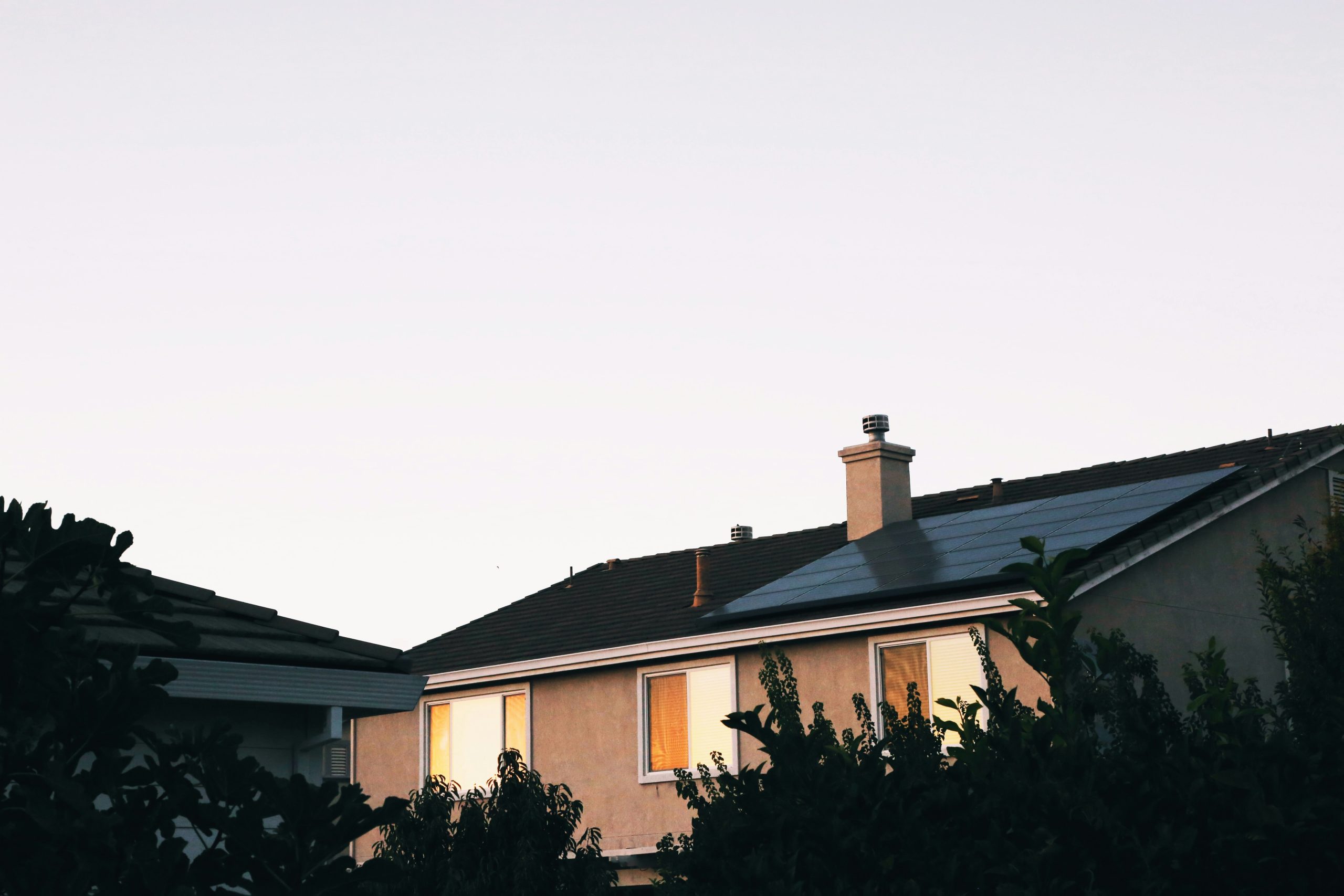
There is a specific category of mortgage product that does not get enough attention in Los Angeles, partly because it is rare and partly because the buyers it serves often do not know it exists until someone walks them through it. The FHA Arcasa Solar Mortgage Program is one of those products. For the right buyer, it solves several problems simultaneously and produces an out-of-pocket cost at closing that is sometimes literally zero.
Our team works closely with lenders, who have a range of first-time and creative financing options. The Arcasa program is one of the more interesting tools in her current lineup, and it is worth understanding clearly because it has real applications for several different buyer profiles we work with regularly on the Westside.
Here is what the program actually does, how it compares to other down payment assistance options, and which buyers it makes sense for.
The Arcasa program is an FHA-backed mortgage that combines a standard FHA home purchase loan with down payment assistance and integrated solar equipment financing — all under one loan, with no second mortgage, no separate solar lease, and no separate energy financing.
The key program features:
That last point is structurally important, and we will come back to it, because the way the solar piece works is what makes this program genuinely different from any other DPA option available.
Most down payment assistance programs come with conditions that limit who qualifies and what the buyer can do later. Common limitations include:
The Arcasa program has none of these. The DPA is integrated into a single loan rather than structured as a second lien. There are no income caps, so a buyer earning a six-figure professional salary on the Westside qualifies on the same basis as a lower-income buyer. There is no rate premium above standard FHA rates. The buyer can refinance in the future without the assistance creating complications. There are no geographic restrictions within the program area, no education requirements, and the funds are not capped in the same way as state-administered DPA programs.
For Westside buyers who have been told they earn too much to qualify for traditional DPA — which is most of our buyer base — the absence of income caps alone makes this program meaningfully different from the alternatives.
The solar piece is where most buyers initially get confused, so it is worth walking through clearly.
In a standard solar transaction, the buyer either purchases solar panels directly through a retail solar company — typically with high sales markups and financing fees built in — or signs a solar lease that commits them to a long-term monthly payment to a third-party provider. Both structures have created problems in the real estate market over the past decade. Lease obligations transfer to buyers at resale and can complicate transactions. Solar companies have gone out of business, leaving homeowners without warranty support. And the retail markups on direct solar purchases have made the economics work poorly for many homeowners.
The Arcasa program addresses all of these issues structurally.
The solar equipment is purchased through a consumer-direct loan advisor channel, which removes the retail sales costs and financing fees that have historically made solar uneconomic for many buyers. The buyer owns the solar equipment free and clear — there is no separate solar loan, no lease, and no ongoing monthly solar payment. The cost of the equipment is rolled into the main FHA mortgage, which is why the loan-to-value goes up to 120%.
The program also includes a white-label third-party warranty that covers the modules, parts, roof penetrations, and other components on a bumper-to-bumper basis. This warranty travels with the property and the equipment, and it operates independently of the original solar installer — meaning if the solar provider goes out of business, the homeowner still has warranty coverage. The warranty does carry a cost that is built into the program, but for buyers who would otherwise be exposed to the solar industry's instability, that protection has real value.
The clearest way to understand the program is through a recent transaction, which she shared with us as a reference point:
Purchase price: $825,000 single-family home
Financing structure: Standard FHA loan with a 5% Arcasa DPA layer
Use of DPA: 3.5% applied to down payment, 1.5% applied to closing costs
Solar equipment included: $90,000 worth of solar panels and electric car chargers
Seller credit: $15,000
Buyer's out-of-pocket cost at closing: $0 — the earnest money deposit was returned to them
DPA forgiveness: The 5% DPA was forgiven after 90 days with evidence that the solar panels were installed
That outcome — zero dollars out of pocket on an $825,000 single-family home purchase, with $90,000 of solar equipment included and forgivable DPA — is the kind of result that is genuinely difficult to replicate through any other combination of available programs.
The Arcasa program is not the right answer for every buyer, but it is the right answer for several specific profiles we see regularly.
First-time buyers who are cash-constrained. The combination of integrated DPA and the ability to close with essentially zero out-of-pocket cost makes this program a meaningful path to ownership for buyers who have stable income but limited savings. The forgivable structure means the DPA effectively becomes free money after 90 days of solar installation.
Buyers who have been told they earn too much for DPA. Most state and local down payment assistance programs in California include income caps that disqualify Westside professional buyers earning $150,000 or more. Arcasa has no income caps. Professional buyers who have been frustrated by qualification restrictions on other DPA programs can use this program without those barriers.
Energy-conscious buyers who want solar. For buyers who would have purchased solar separately after closing, rolling the cost into the mortgage at standard FHA rates is significantly better economics than financing solar through a retail solar company or signing a lease. The integrated warranty protection adds further value.
Buyers who want to preserve cash for other purposes. A buyer who could put 20% down but would prefer to keep cash available for renovations, reserves, or other investments can use the Arcasa program to close with significantly less cash deployed at the purchase — preserving capital for use after closing.
Buyers at price points up to nearly $1.5 million in LA County. The 120% LTV cap, combined with current LA County FHA loan limits, means the program can support purchases up to approximately $1.45 million. That covers a meaningful range of the Westside entry and mid-market.
We want to be specific about the program's limitations because no financing structure is universally applicable.
The property must allow solar panel installation. Some HOAs, historic districts, or specific property configurations may not support the solar component, which is foundational to the program structure.
The program is FHA-only and applies to primary residences only — not investment properties, not second homes.
FHA mortgage insurance is required for the life of the loan if the down payment is less than 10%. For buyers who plan to hold the property long-term without refinancing, that ongoing cost is a real consideration. Buyers who plan to refinance into a conventional loan once equity has built up can avoid the lifetime MI exposure.
The solar warranty cost is built into the program economics. The protection has real value, but it is not free.
The right first step for any buyer interested is a conversation. We can run the specific numbers for your situation, confirm program qualification, and walk through the property requirements and solar specifications.
From the real estate side, our team's role is identifying properties that work for the program — primary residence single-family homes in Los Angeles County where solar installation is feasible — and structuring the transaction so the financing executes cleanly through closing and the 90-day forgiveness window.
For buyers who fit the profile, this program is one of the more compelling structures available right now in the LA market. For buyers who do not, we will tell you that honestly and we will work with you on whatever financing structure does fit your situation.
Call 310.499.2020 or reach out online. Specific terms, eligibility, and program availability are subject to lender confirmation at the time of application.
Q: What is the FHA Arcasa Solar Mortgage Program?
The Arcasa program is a unique FHA-backed mortgage that combines a standard FHA home purchase loan with integrated down payment assistance and solar equipment financing — all under one loan with no second lien, no separate solar lease, and no separate solar finance contract. The buyer owns the solar equipment free and clear, and the down payment assistance is forgivable after 90 days of solar installation.
Q: Does the Arcasa program have income limits for buyers?
No. Unlike most state and local down payment assistance programs, the Arcasa program has no income caps. Westside professional buyers earning $150,000 or more, who are typically disqualified from CalHFA programs and other DPA options, can use Arcasa without income-based restrictions. The program also has no geographic limits within its service area, no education requirements, and no rate adjustments above standard FHA market rates.
Q: How much can I borrow with the Arcasa program in Los Angeles?
The program allows financing up to 120% loan-to-value, which combined with current Los Angeles County FHA loan limits translates to approximately $1.45 million in purchasing power. The higher LTV reflects the integration of the solar equipment cost into the loan amount — solar is paid for through the mortgage rather than separately.
Q: How much down payment assistance does the Arcasa program provide?
Up to 5% in combined down payment and closing cost assistance, which is integrated into the FHA loan structure rather than provided as a second mortgage. The assistance is forgivable after 90 days if the solar panels are installed, meaning the buyer effectively receives the DPA as a grant rather than a deferred loan.
Q: Do I have to install solar panels to use the Arcasa program?
Yes. The program is structured around the solar equipment being part of the mortgage. The property must allow solar panel installation, which means some HOA-restricted properties, certain historic districts, and properties with specific configurations may not qualify. For the DPA forgiveness to occur, evidence of the solar installation must be provided within the 90-day window after closing.
Q: What happens to the solar equipment if I sell the home later?
The solar equipment is owned free and clear by the buyer — there is no lease and no separate solar loan that transfers at resale. The integrated third-party warranty travels with the property and the equipment. This is a significant structural advantage over solar lease arrangements, which can complicate resale transactions when the lease must be transferred to the new buyer or paid off at closing.
Q: How does Arcasa compare to CalHFA down payment assistance programs?
CalHFA programs like MyHome and Dream for All have income caps that disqualify many Westside professional buyers, can have funding limits that run out during the year, and structure assistance as deferred loans that create complications at refinance or resale. The Arcasa program has no income caps, integrates the assistance into the primary loan rather than as a second lien, and provides forgivable assistance after 90 days. For buyers who qualify for both, the choice often depends on the specific transaction economics — for buyers disqualified from CalHFA programs by income, Arcasa fills a real gap.


