

Westchester 90045 Q2 2026 Market Report: What the Data Actually Shows
Published on June 25, 2026 by
Stephanie Younger



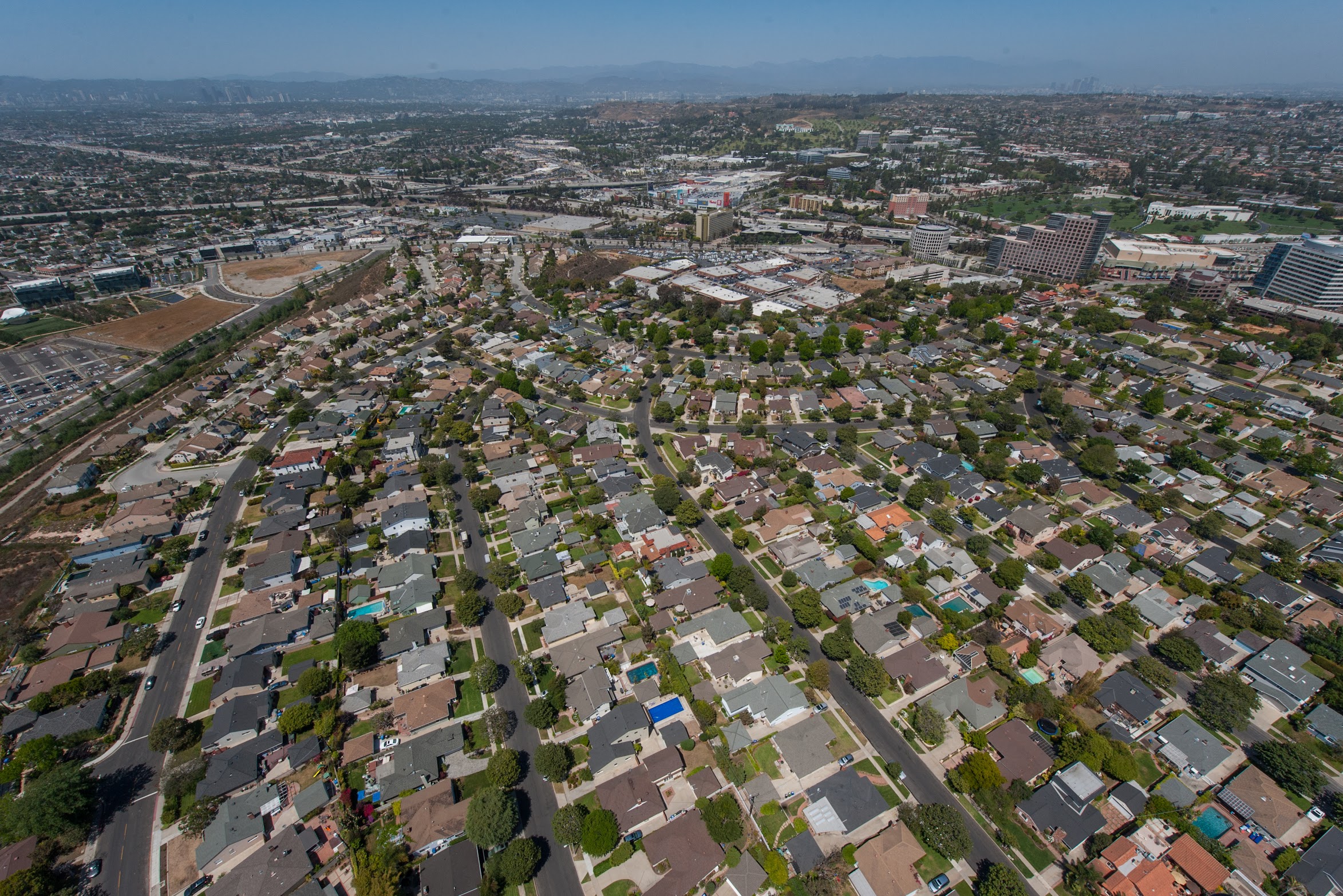
The single-family market in Westchester (zip code 90045) just closed out the second quarter of 2026, and the data tells a more nuanced story than a single headline can capture. Pricing has held essentially steady against 2025. Volume cooled meaningfully through the quarter, particularly in June. Days on market lengthened in the final month. New listings tracked slightly below last year's pace.
None of those signals points to a market in trouble. All of them together describe a market that is recalibrating — one where serious buyers and serious sellers are still transacting, and where the data offers some specific guidance for both audiences about what to do next.
We are the Stephanie Younger Group, based in Westchester at 7296 W. Manchester Avenue. Westchester is the market we know best. Here is a complete read of what Q2 2026 actually showed in 90045, drawn from MLS data through June 23, 2026, and what it means for anyone making real estate decisions in this neighborhood right now.
Pulling the second-quarter single-family data for 90045:
The big-picture numbers across the full quarter: 66 single-family homes closed in 90045 during Q2 2026, with a total sold volume of $128.9 million, an average sale price of $1.95 million, and a median of $1.76 million. Homes sold at an average of 101% of the last list price.
The first thing worth noting: the year-over-year comparison is more stable than the quarter-over-quarter trajectory might suggest. Median sale prices in 90045 in April, May, and June 2026 came in essentially even with the same months in 2025 — the blue 2026 line and the red 2025 line track within roughly $50,000 of each other across the quarter. Months of supply held flat at 3 months in both years, which is well below the 5-to-6 month threshold that defines a balanced market.
In other words: by the most important pricing metric over a full-year window, the 90045 market is performing in line with 2025. That matters because the headlines about national housing softness and rising inventory in Sun Belt markets do not apply here in the way buyers waiting for a correction might assume.
What did shift in Q2 is the velocity of the market.
April and May were stronger. Closed sales of 27 and 24, average days on market of 27 and 18, sale prices coming in at 100% to 105% of list — that is a market where well-priced properties were moving in three to four weeks and selling at or above asking. The May average sale price of $2.18 million reflects some larger transactions clearing during the spring window when buyer activity was at its seasonal peak.
June cooled. 15 closed sales — roughly half the April number. Average days on market jumped to 55. Median days on market doubled from 11 to 24. The sale-price-to-list-price ratio dropped from 105% in May to 99% in June. New pending sales fell from 32 in May to 25 in June.
That cooling is the part of the story that requires honest interpretation. Some of it is seasonal — early summer typically sees a buying pause as families finalize school decisions and travel plans. Some of it is broader market conditions, particularly the rate environment and the macro uncertainty that has been keeping buyers on the sidelines nationally. Some of it likely reflects the buyers who were going to act in spring having already done so, leaving June activity to a smaller pool of buyers who are taking more time to make decisions.
What June is not is evidence of a price correction in Westchester. The 99% sale-to-list ratio means homes that closed in June still sold at essentially full asking. The median price held above $1.7 million. The market did not break — it caught its breath.
The most important takeaway for sellers is that the spring premium has reset. The April-May window where properties were closing at 105% of list and selling in under three weeks reflected specific market conditions that have now moderated. Sellers listing in late summer and fall need to price to current conditions, not spring conditions.
That means three specific things in practice.
Pricing accuracy matters more now than it did in May. A property that was going to sell at 105% of list in May will likely sell at 98% to 100% of list now — and only if the list price is right. Overpricing in this environment produces the longer days-on-market we are seeing reflected in the June data: 55 days average versus 18 in May. The properties sitting longer in June are disproportionately the ones that came to market priced for spring conditions rather than current ones.
Presentation matters more. When buyer activity is high, properties move on momentum. When buyer activity moderates, properties move on quality of presentation. Professional photography, strategic staging, pre-market preparation, and a structured launch are not optional in a market like the current one — they are the difference between selling in three weeks and sitting on the market for two months while buyers compare your property unfavorably to better-presented competition.
Open house traffic still matters. Our open houses averaged 48 parties per weekend in May — 433% above the Compass Los Angeles market average. That kind of buyer concentration is what closes deals quickly in any market condition. It matters even more when overall buyer activity is cooler, because the buyers who are active are still being drawn to properties that are marketed correctly.
The 90045 data shows a market that is still transacting at strong prices for sellers who go to market correctly. It is not a market that rewards casual preparation.
For buyers, the June data signals an opportunity that the spring did not offer.
Days on market have lengthened. Properties that sat for one to two weeks in May are now sitting for three to four weeks in June. That timeline allows buyers to do proper due diligence, negotiate seriously, and avoid the bidding-war dynamics that defined the spring market.
Sale-to-list ratios have softened. Properties closed in June sold at 99% of list price on average, versus 105% in May. The math of that shift is meaningful: on a $1.8 million property, the difference between 99% and 105% of list is over $100,000 in negotiating room.
Inventory exists. 137 active listings and 59 pending in 90045 as of late June — a meaningful selection for buyers willing to look seriously across the neighborhood. Some of those properties have been on the market longer than the seller expected, which translates to more flexible sellers and more genuine negotiation than the spring offered.
This does not mean buyers should expect a buyers' market. Months of supply remains at 3 — well below the 5-to-6 month threshold that defines balance. Westchester pricing has held essentially even with 2025 by the year-over-year median. The buyers who are positioned to act in the current environment are the ones who have a clear sense of their target neighborhood, are properly pre-qualified with a lender who knows this market, and can move quickly when the right property surfaces.
What the data does suggest is that the negotiating environment for buyers is meaningfully better in late summer than it was in spring — and that is a window worth being prepared for.
Beyond the quarterly numbers, the structural case for Westchester as a long-term hold remains strong. The Olympic infrastructure investment continues. The LAX people mover is operational. The aerospace corridor employer base — including the SpaceX wealth event continuing to ripple through the South Bay — drives sustained demand for the larger flat-lot, traditional American Dream homes that characterize this neighborhood's housing stock.
The Q2 2026 data shows a market that is functioning normally — closing transactions, holding pricing year-over-year, working through normal seasonal cycles. That is a healthy market. The buyers and sellers who do best in it are the ones who match their strategy to current conditions rather than the conditions that existed six months ago or expecting conditions that the data does not support.
That is the read. The specifics for your situation are best worked out in a conversation.
If you are thinking about buying or selling in Westchester, or you want a specific read on what your home is worth in the current market, reach out at 310.499.2020 or online. Our office is at 7296 W. Manchester Avenue — we are the team that knows this neighborhood better than anyone.
All information based on data supplied by the Combined Los Angeles Westside Multiple Listing Service. Report generated June 23, 2026. Accuracy not guaranteed and may not reflect all real estate activity in the market.
Q: What is the median home price in Westchester (90045) in 2026?
The median single-family sale price in 90045 across Q2 2026 was approximately $1.76 million. Monthly medians ranged from $1.65 million in April to $1.94 million in May and $1.74 million in June. Year over year, 90045 median pricing has tracked essentially even with 2025, within approximately $50,000 across the same months. The average sale price across Q2 came in higher at $1.95 million, reflecting some larger transactions clearing during the quarter.
Q: Are home prices in Westchester going down in 2026?
The year-over-year comparison does not support a "prices are going down" narrative. Median pricing in 90045 in April, May, and June 2026 came in within approximately $50,000 of the same months in 2025. What did soften in Q2 was velocity: average days on market jumped from 18 in May to 55 in June, and the sale-to-list price ratio moved from 105% in May to 99% in June. That reflects a market normalizing from a strong spring rather than a price correction.
Q: How long are homes taking to sell in Westchester 90045?
Average days on market in 90045 during Q2 2026 was 27 days in April, 18 days in May, and 55 days in June. Median days on market was 14, 11, and 24 days across the same months. The June increase reflects normal early-summer cooling combined with broader market conditions affecting buyer activity. Well-priced, well-presented properties continue to move within reasonable timelines, while overpriced or poorly prepared properties sit longer.
Q: How many homes sold in Westchester 90045 in Q2 2026?
66 single-family homes closed in 90045 during Q2 2026, with a total sold volume of $128.9 million. Monthly closed sales were 27 in April, 24 in May, and 15 in June. The June drop reflects normal early-summer slowdown combined with broader rate-environment dynamics. Pending sales held more steady through the quarter, suggesting transaction activity will continue at a measured pace through Q3.
Q: Is now a good time to buy a home in Westchester?
The current environment offers buyers some advantages that the spring did not — longer days on market, sale prices closer to list price, and inventory that is moving at a more deliberate pace. Months of supply remains at 3, well below the 5-to-6 month threshold that defines a balanced market, so this is not a buyers' market in the structural sense. But the negotiating dynamics for buyers in late summer 2026 are meaningfully better than they were in April and May, which is a window worth being prepared for.
Q: Is now a good time to sell a home in Westchester?
Sellers can still achieve strong outcomes in this market, but the strategy needs to match current conditions rather than spring conditions. Pricing accuracy, professional presentation, and a structured launch matter more in late summer than they did during the spring premium window. Properties that come to market priced correctly and prepared properly continue to sell at strong prices in reasonable timelines. Properties that are casually prepared or overpriced are sitting on the market significantly longer.


