

Culver City Is Booming. Here Is What It Means for Westside Homeowners.
Published on June 29, 2026 by
Stephanie Younger



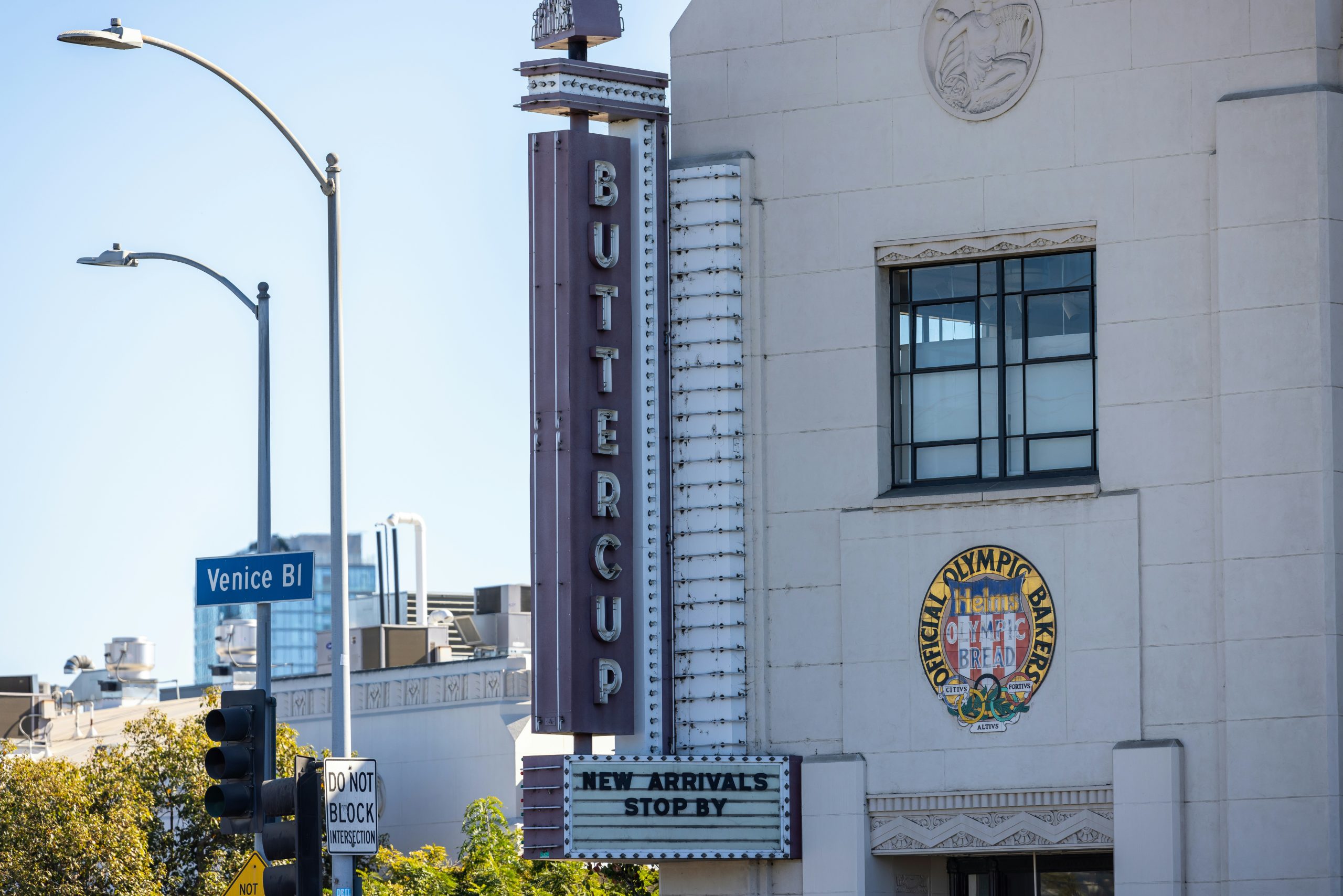
A recent Commercial Observer feature on Culver City's housing strategy made a striking observation: while Los Angeles has effectively stalled multifamily development under the weight of Measure ULA and slow-walked zoning reforms, the small city encircled within LA's Westside — population 40,000, footprint just five square miles — has roughly 4,500 housing units in its development pipeline. That is enough to grow Culver City's population by 20%.
The contrast is not subtle. Cityview CEO Sean Burton told Commercial Observer that his firm, which was once among the most active multifamily developers in Los Angeles, is now down to its last LA project — and that project predates Measure ULA. "We are not underwriting new development deals in Los Angeles," Burton said. "We're building in Culver City, San Diego, Irvine, Walnut Creek, Seattle, Denver."
Meanwhile, multifamily broker Taylor Avakian, founder of The Group CRE, called Culver City "one of the hottest markets in LA" — the only Westside submarket where the tech story, the entertainment story, and institutional capital are all converging at once.
For Westside homeowners, investors, and anyone thinking about Culver City or the neighborhoods that border it — Mar Vista, Palms, Cheviot Hills, and the eastern edge of Westchester — this is one of the most consequential market shifts happening in our area right now. Here is what it actually means, drawn from the Commercial Observer reporting and our team's daily transaction work in the surrounding neighborhoods.
The contrast is a study in policy choices producing dramatically different outcomes.
California's Regional Housing Needs Allocation — RHNA — requires cities to zone for specified housing growth or face state penalties, including the builder's remedy that overrides local zoning for noncompliant municipalities. Most LA-area cities have responded with some combination of foot-dragging, minimal zoning concessions, and procedural workarounds.
Culver City did the opposite. According to the Commercial Observer reporting:
The city legalized micro-unit apartments in 2020. In 2022, it became the first city in LA County to abolish parking minimums — a development cost-saver that also supports transit-oriented building. Its 2024 General Plan and Housing Element expanded multifamily zoning from 50% of the city's footprint to 80%, opening up areas like Fox Hills and the Hayden Tract. The city legalized single-stair buildings — the first city in California to do so — which allows more floor space for bigger units in four-to-six-story projects. And it embraced SB 79, the statewide upzoning law that encourages building near transit, which applies to the four Culver City stations on the Metro E Line.
Crucially, Culver City avoided several policy traps that have plagued Los Angeles. The city never passed inclusionary zoning, which mandates affordable units and can challenge project pro formas. It has its own rent control and transfer tax, but they are structured in ways that — according to brokers quoted in the piece — do not hinder development the way Measure ULA does in LA.
Spencer Kallick, a land use attorney at Allen Matkins with multiple Culver City projects, summed it up to Commercial Observer: "Culver City didn't just put together something to make the state happy. They put together a plan that they wanted to actually implement, and that's very rare. A lot of cities talk about building housing. Very few make it a really clear priority."
This is not theoretical pipeline talk. The Commercial Observer feature identified specific projects:
Hudson Pacific Properties is converting the former NFL Network office campus in downtown Culver City into a mixed-use project with 508 apartments and retail. Lincoln Property Company has two Culver City projects at 11111 and 1238 Lincoln Avenue adding hundreds of units. Alliance Residential is redeveloping 100 Corporate Pointe in Fox Hills with 351 units. Link Logistics received approval to demolish low-rise offices near Westfield and build more than 1,000 units. The 6201 Residences by RCB Equities and REDA will add another 846 apartments. Lendlease began leasing Habitat — 260 luxury apartments with office space — in May, "on the corner where Culver City meets LA."
Wiseman Residential is developing projects on Venice Boulevard in LA near the Culver City border and the light rail stop, capitalizing on the magnetism without being inside Culver City itself.
This is a development environment that simply does not exist anywhere else on the Westside right now.
The dynamic here matters and it is more nuanced than either "more supply will hurt prices" or "more development will drive prices up." Both impulses contain partial truth.
The supply being added is multifamily — apartments and condos serving renters and entry-level owners. The single-family housing stock in Culver City and adjacent Mar Vista, Palms, Cheviot Hills, and parts of Westchester is not being meaningfully expanded. Land in these neighborhoods is fixed, the zoning that would convert single-family lots into multifamily is not changing at scale, and the new supply is concentrated in former office sites, industrial corridors like Hayden Tract, and underused commercial parcels.
What that means in practice: the additional 4,500-plus residents and workers the new pipeline brings into Culver City do not displace existing single-family demand. They add to it. Some portion of those renters and apartment buyers will, over time, move up to single-family ownership in the surrounding neighborhoods — exactly the property ladder dynamic that has fueled Westside single-family appreciation for decades. More importantly, the employment base and amenity infrastructure that all of this development is built around makes the surrounding single-family neighborhoods more attractive, not less.
The neighborhoods that border Culver City are positioned to benefit from this growth in ways that the headline pipeline numbers do not directly capture. Mar Vista's eastern edge, the Palms area, Cheviot Hills, and the southern stretches of Westchester all sit within easy proximity to where the new jobs and amenities are concentrating. Demand for single-family homes in these submarkets is sustained by exactly the workforce profile that is being added to the Culver City employment base.
The investment implications are more direct, and our team has been having an increasing number of these conversations with investor clients over the past several months.
The Commercial Observer piece notes that Avakian sees particular opportunity in "redeveloping vintage, smaller '70s-era multifamily projects, due to the opportunities unlocked by the zoning changes." For investors who already own older multifamily properties in Culver City — or who are looking to acquire them — the upzoning, the parking minimum elimination, and the single-stair authorization create development optionality that did not exist a few years ago. The same properties that traded as small income plays can now be evaluated for redevelopment or substantial expansion.
For investors looking at smaller residential properties — duplexes, triplexes, and small multifamily — in Culver City and the adjacent LA neighborhoods, the rental demand picture is straightforward: the employment growth coming with the new development, paired with the structural shortage of housing in the surrounding submarkets, supports sustained rental income growth over the medium to long term.
There is also a specific dynamic worth noting around Measure ULA. The Commercial Observer piece quotes multiple developers and brokers explicitly stating that LA's Measure ULA — the so-called mansion tax that applies to properties over $5 million — has effectively shut down new development in the City of LA. Culver City has a transfer tax of its own, but structured in a way that does not have the same chilling effect. For investors thinking about where to deploy capital in a long-hold residential or mixed-use strategy, the regulatory difference between Culver City and adjacent Los Angeles is now a material variable in the underwriting.
For sellers of single-family homes in Culver City and the surrounding Westside neighborhoods, the narrative is clear: the demand drivers in this submarket are strengthening, not weakening.
The employer base is expanding — Sony Pictures, Amazon Studios, Apple, TikTok, Pop Mart, and the design and creative shops continuing to cluster around Ivy Station and the Helms Bakery District. The amenity base is expanding — restaurants, retail, walkability, and transit access all improving as the development pipeline delivers. The new residents being added are renters and apartment dwellers who, over time, generate move-up demand for the single-family stock surrounding them.
For a Culver City homeowner thinking about selling in the next twelve to twenty-four months, the underlying market fundamentals support strong outcomes. The same is true for sellers in Mar Vista, Palms, and the surrounding neighborhoods that benefit from the spillover effect.
The buyers paying attention to all of this — and we are seeing them in our buyer pipeline directly — are the ones who understand that the development boom is producing a stronger neighborhood ecosystem, not just more apartments. They are pricing properties on the basis of where Culver City and its surroundings are heading, not where they are today.
For buyers, the Culver City story is genuinely a positive market thesis to build a purchase around. The neighborhoods that border Culver City offer the rare combination of a growing employment and amenity base, transit access, and existing single-family stock that has not yet fully priced in where the neighborhood is heading. Mar Vista, Palms, the Culver City-adjacent portions of Westchester, and even parts of Cheviot Hills are all reasonable places to evaluate against this thesis.
Buyers should also understand that Culver City's pro-housing policy direction is producing a neighborhood that will look meaningfully different in five to seven years than it does today. The 4,500-plus units in the pipeline will not deliver overnight, but they will deliver. The residents and workforce they bring will need restaurants, retail, services, and ultimately single-family homes. Buyers who position themselves now in well-located properties in or adjacent to Culver City are buying ahead of that trajectory.
Vice Mayor Bryan "Bubba" Fish told Commercial Observer: "Every little barrier we knock down is a victory, and the victories stack on top of each other and become a politically positive feedback loop."
That feedback loop is producing a Culver City that is increasingly distinctive within the Westside — a small city that is choosing to grow deliberately while most of LA is not. The implications of that choice ripple outward into every adjacent neighborhood we work in, and they will continue rippling for years.
Our team transacts in Culver City and the surrounding submarkets every week. We know which streets, which blocks, and which property types are best positioned to benefit from the dynamics described above. We also know which Culver City buildings are likely candidates for redevelopment under the new zoning, which adjacent LA parcels are sitting on opportunity, and which Mar Vista and Palms blocks offer the best entry point for buyers betting on the spillover effect.
If you are thinking about buying, selling, or investing anywhere in this corridor, that is a specific conversation we are well-positioned to have.
Source: Commercial Observer, "Culver City's Housing Strategy: Don't Be L.A." Reporting and quotes drawn from the original article.
Call 310.499.2020 or reach out online. We will give you a specific, current read on what is happening in your target neighborhoods — not generic market commentary.
Q: Why is Culver City building so much new housing while Los Angeles is not?
According to Commercial Observer reporting, Culver City has pursued a deliberate pro-growth housing strategy that includes abolishing parking minimums in 2022 — the first city in LA County to do so — legalizing micro-unit apartments in 2020, expanding multifamily zoning from 50% to 80% of the city's footprint, becoming the first California city to legalize single-stair buildings, and embracing SB 79's transit-oriented upzoning. Crucially, Culver City avoided inclusionary zoning mandates and structured its transfer tax differently from Los Angeles, which developers and brokers in the piece say has produced a notably more favorable development environment than the City of LA, where Measure ULA has effectively stalled new multifamily projects.
Q: How many new housing units are being built in Culver City?
According to Commercial Observer, Culver City has roughly 4,500 units in its current development pipeline — enough to potentially grow its population by 20%. Major projects identified in the reporting include Hudson Pacific Properties converting the former NFL Network campus into 508 apartments with retail, Lincoln Property's two Culver City projects on Lincoln Avenue, Alliance Residential's 351-unit 100 Corporate Pointe in Fox Hills, Link Logistics' approved 1,000-plus units near Westfield, and RCB Equities and REDA's 846-unit 6201 Residences.
Q: How does the Culver City development boom affect home values in surrounding LA neighborhoods?
The development concentrated in Culver City is primarily multifamily on former office, industrial, and commercial sites — not new single-family supply. The additional residents and employment base supports sustained demand for single-family homes in surrounding neighborhoods including Mar Vista, Palms, Cheviot Hills, and Culver City-adjacent portions of Westchester. The amenity base improvements, transit access, and employment growth all reinforce the desirability of single-family stock in the broader corridor.
Q: Is Culver City a good place to buy investment property?
Investors and brokers quoted in the Commercial Observer piece have been increasing their focus on Culver City for several reasons: the upzoning and policy changes have unlocked redevelopment potential on older multifamily properties, the employment base continues expanding through major tech and entertainment tenants, and the regulatory environment is materially different from Los Angeles where Measure ULA has stalled new development. Older 1970s-era multifamily properties in particular have been identified as redevelopment candidates under the new zoning. Specific underwriting depends on the property and the strategy.
Q: Which Westside neighborhoods benefit most from Culver City's growth?
The neighborhoods that border Culver City directly — Mar Vista, Palms, parts of Cheviot Hills, and the southern and eastern portions of Westchester — are positioned to benefit from the employment growth, amenity expansion, and demand spillover. Wiseman Residential's projects on Venice Boulevard near the Culver City border are an example of developers explicitly targeting LA parcels adjacent to Culver City because of the growth dynamics. For homeowners and buyers in these adjacent submarkets, the Culver City development boom is a meaningful positive tailwind that is not yet fully reflected in current pricing.
Q: Does the Culver City development boom mean LA will eventually catch up?
The Commercial Observer reporting suggests the opposite, at least for now. Developer Sean Burton of Cityview told the publication his firm is "not underwriting new development deals in Los Angeles" and is instead building in Culver City, San Diego, Irvine, and other markets. The structural differences between LA and Culver City — particularly around Measure ULA, inclusionary zoning, and the general permitting and entitlement environment — would need to change meaningfully for LA to compete for the same development capital. Whether that happens, and how quickly, is one of the most consequential open questions in Westside real estate.


