

Santa Monica’s SB 79 Density Ordinance Took Effect Aug 27 — What 90405 Homeowners Need to Know
Published on November 6, 2026 by
Stephanie Younger



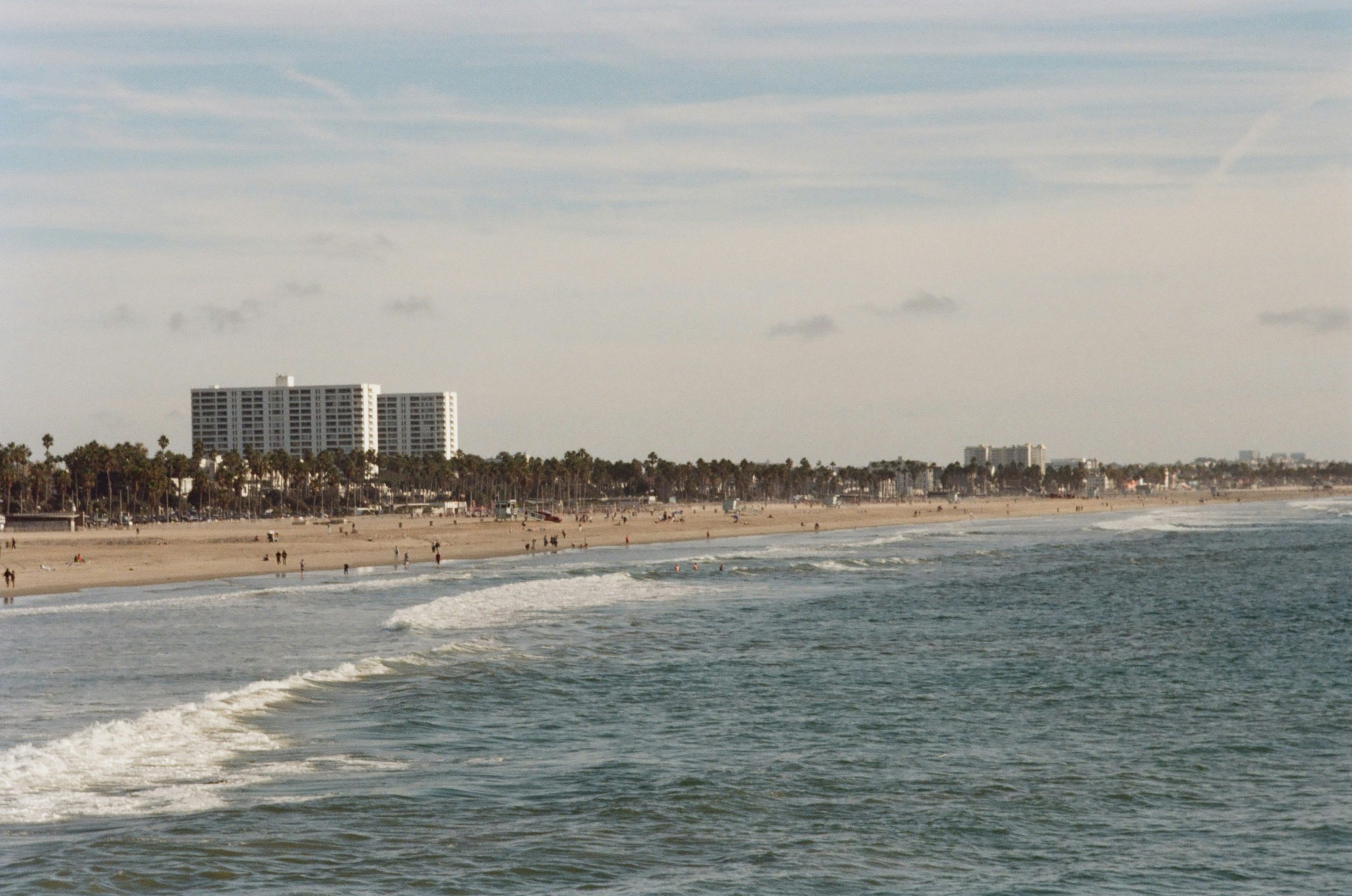
Understanding how Santa Monica density limits and housing proposals affect 90405 requires distinguishing official municipal land-use codes from speculative housing claims. While state density bonus provisions and local housing element updates concentrate multi-family development along major transit corridors, single-family residential parcels in Ocean Park and Sunset Park maintain core zoning protections under existing municipal codes and state law.
Many property owners assume that recent legislative announcements immediately upzone every single-family lot in Ocean Park and Sunset Park for high-density multi-family development. That reasoning is understandable. It is also, for homeowners evaluating multi-year property values in Santa Monica, incomplete and inaccurate. As of November 2026, single-family detached homes in 90405 trade within a baseline range of $1.8M to $3.5M, where underlying land values reflect strict local zoning controls, coastal proximity, and established neighborhood boundaries.
Municipal land-use regulations in Santa Monica derive authority from the adopted City of Santa Monica General Plan Housing Element, local zoning codes, and codified state statutes. A review of public records on the official California Legislative Information portal indicates that density rules in coastal Los Angeles County are governed by established acts of the Legislature rather than unconfirmed local ordinance titles.
Property owners reviewing local regulatory updates should reference verified municipal disclosures directly through SantaMonica.gov. Proposed amendments to local building and safety standards undergo formal administrative review by bodies such as the Santa Monica Building and Fire-Life Safety Commission prior to consideration by the City Council.
Municipal operations and administrative priorities are routinely updated as part of local governance initiatives. As documented in Santa Monica official press releases, municipal departments focus on structural realignment, commercial corridor stabilization, and housing enforcement. Understanding how these broader city policies interact with local land-use rules allows homeowners to separate temporary market commentary from binding municipal law.
Residential neighborhoods within 90405 exhibit distinct micro-market characteristics based on proximity to primary commercial arteries. In Ocean Park, parcels situated along Lincoln Boulevard and main commercial thoroughfares absorb the majority of commercial-to-residential redevelopment proposals. Similar dynamics apply along Wilshire Boulevard in northern Santa Monica, where high-density commercial proposals draw significant community focus.
Interior single-family streets in Sunset Park—such as 16th Street, 21st Street, and Marine Street—remain shielded from multi-story apartment developments by local single-family zoning designations. Developer capital seeking multi-family scale focuses on designated transit priority areas rather than mid-block single-family lots.
Santa Monica Geographic Development Map:
| Coastal Strip / Ocean Park | High pedestrian demand; tight parcel footprints. |
| Lincoln & Ocean Park Blvds | Commercial transit zones; focused multi-family infill. |
| Sunset Park Interior | Low-density SFH parcels; stable single-family baselines. |
Statewide legislative efforts to regulate speculative land purchases further shape institutional purchasing patterns across coastal Westside markets. In contrast to neighboring City of Los Angeles pockets subject to Measure ULA tax thresholds, Santa Monica maintains its own distinct municipal tax structure and planning review process.
Evaluating real estate equity and development potential requires grounding analysis in verifiable cost baselines, tax rates, and municipal fees. The table below outlines key benchmark metrics applicable to Santa Monica residential property transactions as of November 2026.
| Metric / Variable | Value Range or Statutory Baseline | Primary Source / Authority |
| Single-Family Sales Price Baseline | $1.8M to $3.5M | Westside MLS Data (Q4 2026) |
| Santa Monica Measure GS Transfer Tax | 5.6% on sales over $8.0M | City of Santa Monica Code |
| Standard LA County Base Transfer Tax | $1.10 per $1,000 of property value | LA County Registrar-Recorder |
| Permitted Accessory Dwelling Units | Up to 1 ADU + 1 JADU per SF lot | California Legislative Info |
Property owners in 90405 seeking to expand living space or construct additional housing units operate under well-defined state statutes. Senate Bill 9 permits qualifying single-family parcel owners to construct two primary residential units or execute a lot split, provided specific owner-occupancy and setback criteria are met under state law filings published on the California Legislative Information platform.
Accessory dwelling units provide another predictable pathway for expanding property utility. Recent updates to state ADU legislation, such as provisions outlined in AB 723, clarify setback maximums, height allowances, and objective design standards for residential lots.
Homeowners evaluating infill expansion should compare local Santa Monica construction parameters with broader Westside standards. Strategic considerations regarding lot size, setback limits, and detached structure conversion options are detailed in our guide on AB 1033 ADU condo conversions. For baseline construction estimates, homeowners can review data on ADU lot readiness in Kentwood as well as updated figures for ADU costs and permitting timelines in Westchester.
Transacting real property in Santa Monica involves municipal tax rules distinct from adjacent Los Angeles City neighborhoods. Real estate transfers in Santa Monica are subject to Measure GS, which imposes a 5.6% local transfer tax on real property conveyances valued at $8,000,000 or greater. Sellers must account for this municipal liability alongside standard County transfer taxes.
Detailed breakdowns of local transfer tax structures are available in our guide on who pays Santa Monica transfer taxes under Measure GS. Owners of multi-family or tenant-occupied properties must also navigate local and regional tenant protection ordinances.
Proper transaction preparation also requires addressing unpermitted historical work and title requirements. Sellers addressing legacy modifications can reference our analysis of selling a house with unpermitted work. Comprehensive fee breakdowns are further detailed in our overview of closing costs in Venice and standards for who pays title insurance and escrow fees in LA.
Determining whether to hold, improve, or sell a residential property in 90405 depends on individual capital requirements, debt structure, and long-term planning horizons.
When Holding for Long-Term Appreciation Makes Sense — And When It Does Not
Holding a single-family property in Sunset Park or Ocean Park makes sense when the owner maintains locked-in fixed-rate financing below 4.0%, generates stable cash flow from an existing ADU, or intends to hold the asset across a multi-year horizon. Single-family parcel supply in 90405 remains structurally constrained by ocean boundaries and established zoning, supporting long-term value resilience.
Conversely, holding a residential property does not make sense if an owner faces elevated carrying costs, requires liquidity for capital reallocation, or owns a multi-family parcel where tenant management liabilities exceed annual net operating income. In such instances, evaluating market positioning against alternative Westside sub-markets provides clarity.
In our transactions across Sunset Park and Ocean Park, we consistently advise property owners to review precise parcel boundary maps and local municipal code overlays before structuring purchase offers or entering development agreements. Homeowners tracking Westside market dynamics can compare neighborhood positioning through our guide to the best neighborhoods in Culver City. Additionally, analyzing how high mortgage rates affect buyers and evaluating seller concessions versus rate buydowns helps owners position property effectively in current market conditions.