

California Didn’t Get the Memo. Why LA Inventory Tells a Different Story This Spring.
Published on May 20, 2026 by
Stephanie Younger



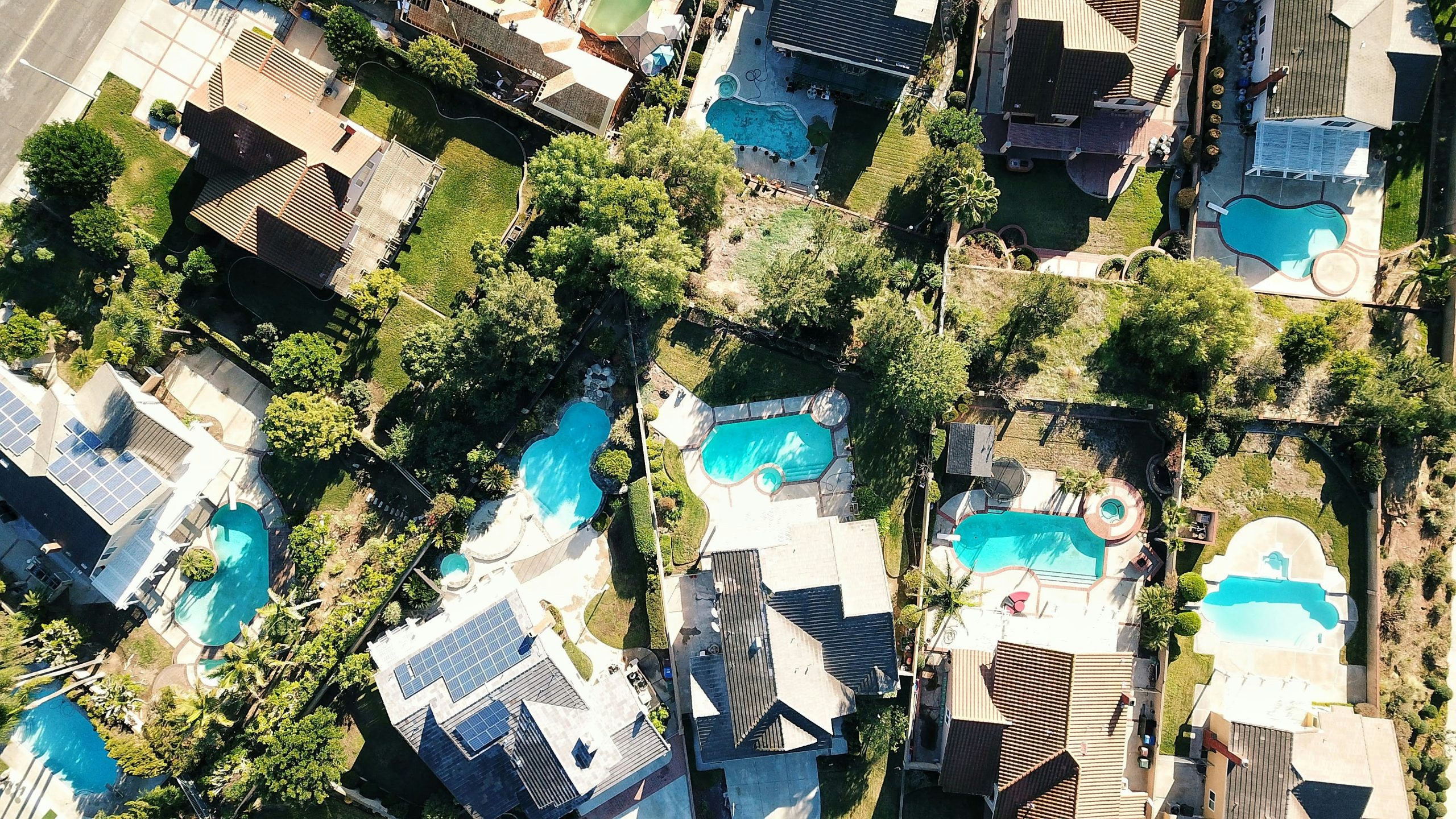
National active listings are up 8.1% year over year heading into the core spring selling season, according to ResiClub's analysis of March 2026 data published this week in Fast Company. On the surface, that sounds like a buyer's market story. More homes for sale, more leverage for buyers, more pressure on sellers to compete.
The problem with that headline is the word "national." Because the inventory story in the United States right now is not uniform. It is deeply split along geographic lines — and understanding which side of that split Los Angeles sits on is the difference between reading the market correctly and drawing the wrong conclusion from a national number.
Here is what the data actually shows, and why the Westside continues to operate by different rules than the markets generating the loudest headlines.
ResiClub tracks active housing inventory relative to pre-pandemic 2019 levels across every state. That comparison is the most telling metric in the current market because 2019 represents the last point of genuine supply normalcy before the pandemic distorted everything.
The states that have climbed back above their pre-pandemic 2019 inventory levels — and in some cases blown well past them — are concentrated in the Sun Belt and Mountain West: Florida, Texas, Arizona, Colorado, Tennessee, Idaho, Utah, and Washington. These are markets that surged during the pandemic migration boom, absorbed massive new construction, and are now working through an inventory overhang as that migration wave has receded. In many of these markets, buyers have genuine leverage today. Prices in pockets of Florida and Texas have declined meaningfully from their peaks. Sellers are competing with each other and with builders who are cutting prices and offering rate buydowns to move product.
California is not in that group. It remains below its pre-pandemic 2019 inventory levels, and the Westside of Los Angeles sits comfortably on the supply-constrained end of that equation. ResiClub's own data makes the connection explicit: markets where inventory has stayed below pre-pandemic levels have, generally speaking, experienced more resilient home price growth over the past four years. The inverse is equally true. Supply surplus equals price softness. Supply constraint equals price resilience.
That is the national inventory story. It is not one story. It is two, and Los Angeles is on the favorable side.
The supply constraint in California is not accidental and it is not temporary. It has three structural causes that do not resolve quickly regardless of what happens to mortgage rates or national inventory trends.
The first is zoning. California's restrictive land use regulations and the density limits that govern most of the Westside make it structurally difficult to add meaningful new housing supply. Unlike Phoenix or Austin, where builders can push subdivisions outward into available land, the Westside is largely built out. New construction here is infill and rebuild, not expansion. That fundamental scarcity does not change.
The second is the lock-in effect. Millions of California homeowners secured mortgage rates below 4% during the pandemic era. Selling means giving up that rate and taking on a new mortgage at 6.37% or higher. For most owners, the monthly payment math on a replacement property is significantly worse even at the same purchase price. So they stay. That decision, multiplied across hundreds of thousands of households, suppresses listing volume in a way that is invisible in the aggregate national data but very real in the local market.
The third is the California Association of Realtors' own forecast: the state's median home price is projected to reach $905,000 in 2026, a 3.6% increase from 2025, with active listings up roughly 10% — which still leaves California well below the supply levels that characterize softening markets elsewhere.
LA County's Unsold Inventory Index sits at 4.2 months. Nationally, a balanced market is typically defined as 5 to 6 months. The Westside is running below that LA County average at most price points.
The data above is useful context. What we are seeing in actual transactions on the Westside is its confirmation.
Well-priced, well-presented homes in Westchester, El Segundo, Playa Vista, Culver City, and Mar Vista are selling. Not in the frenzied 72-hour-offer-deadline environment of 2022, but within reasonable timelines at prices that reflect genuine market value. The homes sitting on market longest share a common characteristic: they are priced above what the current buyer pool will pay, not above what the market would bear in a healthier rate environment.
That distinction matters. The Westside is not experiencing the distress that the Sun Belt overhang has created in places like Punta Gorda or Austin, where active listings have surpassed pre-pandemic levels and sellers are genuinely competing against each other for a smaller buyer pool. Here, sellers who price correctly are still finding buyers. Sellers who test the market with aspirational numbers are getting a clear answer, and that answer comes faster than it used to.
The Westside median sale price came in at $1.8 million in recent data, up 7.5% year over year. Homes are selling in an average of 46 days, down from 68 days last year. That is not a market under pressure. That is a market in normalization mode — less feverish than 2021 and 2022, but fundamentally supported by the same structural constraints that have defined this corridor for decades.
If you have been reading about buyer leverage and inventory rising and waiting for conditions to improve before entering the Westside market, the national data is giving you a misleading picture of what is available here. The leverage that buyers have in Florida right now — where inventory is above 2019 levels and sellers are negotiating hard — is not the same leverage available in Culver City or Manhattan Beach.
That does not mean there are no opportunities. Buyers in the current Westside market have more time to evaluate properties than they did in 2022, more room to negotiate on condition and contingencies, and access to more listings than at the low point of the cycle. The opportunity is real. It is just not the opportunity the national headlines are describing.
The buyers who do well in this market are the ones who understand the local supply picture, are pre-qualified with a lender who can move quickly, and are working with an agent who knows what comparable properties have actually sold for in the past 90 days. That ground-level knowledge matters more in a market like this than in one where the data trends tell a simple story.
The Spring selling season is underway and national inventory growth, while real, has not altered the fundamental supply-demand balance on the Westside. There are still more qualified buyers than well-priced listings in most Westside submarkets. That dynamic favors sellers who come to market correctly positioned.
The sellers who are struggling are the ones who launched at prices that assumed 2022 buyer behavior and are now facing the reality of a 2026 buyer who has more options and less urgency. The sellers who are succeeding are the ones who priced at current market value, invested in professional presentation, and launched with a marketing program designed to generate early momentum.
The national inventory data is not a warning for Westside sellers. It is a reminder that this market's structural advantages relative to the rest of the country are still intact — and that taking them for granted is the only way to lose the edge they provide.
If you want a specific read on what your home is worth in the current inventory environment, or what the supply picture looks like in your target neighborhood, reach out at 310.499.2020 or online. We track the local data every week and can give you numbers rather than national averages.
Q: Is Los Angeles a buyer's market or seller's market in spring 2026? Neither cleanly — but it is closer to a seller's market than the national data suggests. LA County's Unsold Inventory Index sits at 4.2 months, below the 5 to 6 months that typically defines a balanced market. California has not surpassed its pre-pandemic 2019 inventory levels, unlike states such as Florida, Texas, and Arizona where buyers have gained significant leverage. Well-priced homes on the Westside are selling. The market has normalized from its 2022 peak but remains structurally supply-constrained.
Q: Why is housing inventory lower in California than in Florida and Texas? Three structural reasons: restrictive zoning limits meaningful new construction across most of the Westside; the lock-in effect keeps owners with sub-4% mortgage rates from selling into a 6%+ environment; and California's long-standing housing shortage, decades in the making, does not resolve quickly regardless of short-term market conditions. These factors combine to keep supply tight even as national inventory ticks upward.
Q: How does national inventory growth affect Westside LA home prices? Modestly, if at all. The markets experiencing the most inventory pressure — and therefore the most price softness — are concentrated in the Sun Belt and Mountain West. ResiClub's data shows a direct correlation between inventory above pre-pandemic levels and softer price growth. California remains below those pre-pandemic levels, which the same data correlates with more resilient prices. The Westside median sale price was up 7.5% year over year in the most recent data.
Q: What is the best time to list a home on the Westside in 2026? The core spring selling season — March through June — remains the strongest window for most Westside submarkets. Buyer demand typically peaks during this period, days on market are at their seasonal low, and qualified buyers who were inactive through the winter re-engage. Sellers who launch correctly priced listings in this window, with professional photography and a structured marketing program, are seeing the strongest outcomes. Waiting until summer typically means entering a period of reduced buyer activity.
Q: Which Westside neighborhoods have the tightest inventory right now? El Segundo, Westchester, and Playa Vista consistently see the fastest absorption among the neighborhoods we work in daily. Manhattan Beach and Hermosa Beach maintain low inventory relative to demand at most price points. Culver City and Mar Vista have seen some inventory increase but remain below the levels that would shift negotiating power significantly toward buyers. The common thread is limited land for new construction and strong, consistent buyer demand from the tech, aerospace, and creative professional communities that anchor the Westside economy.


