

How the 2028 Olympics Will Affect Home Values in Westside LA
Published on April 9, 2026 by
Stephanie Younger



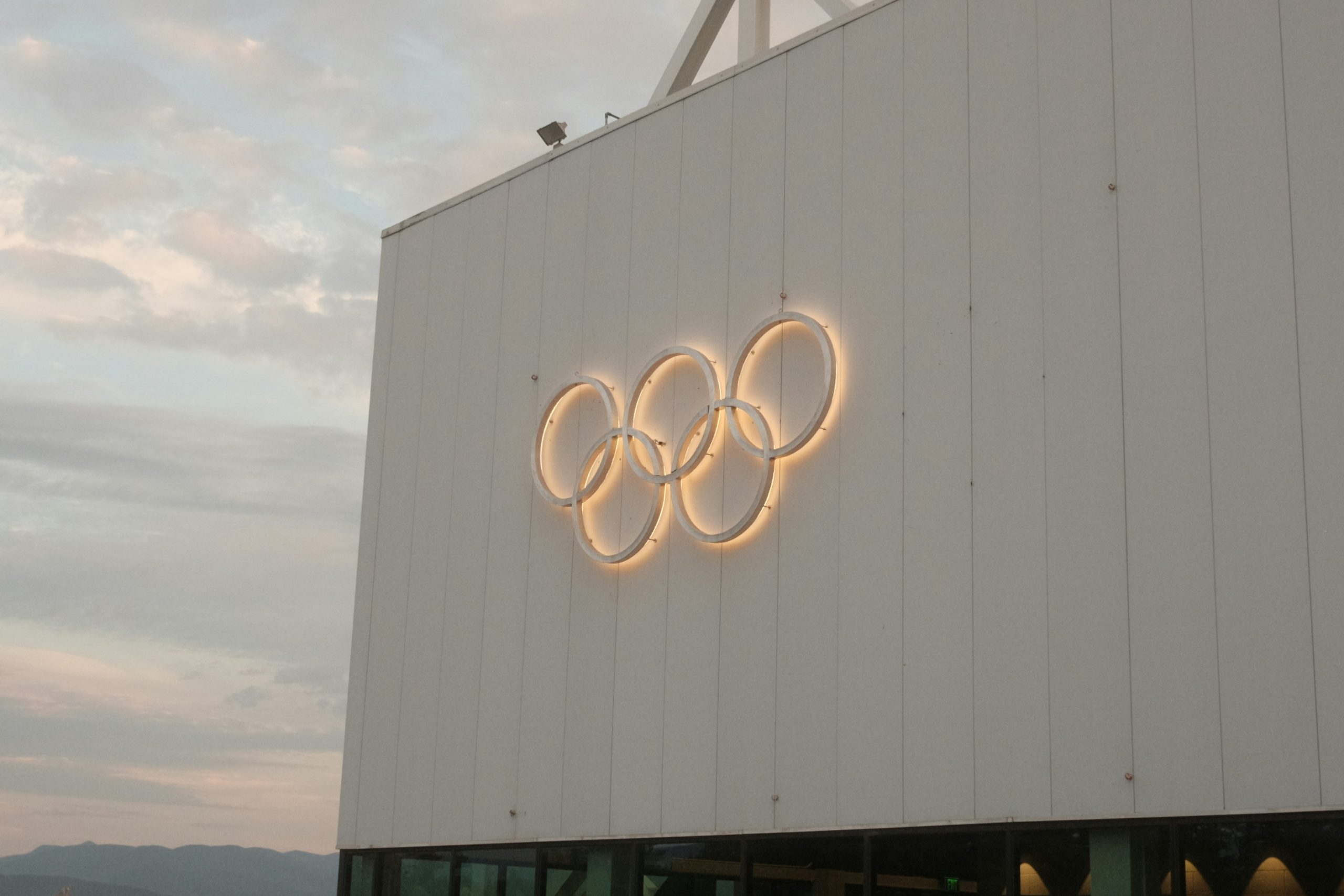
The opening ceremony for the 2028 Summer Olympics is scheduled for July 14, 2028 at the LA Memorial Coliseum. That is roughly 27 months from today. And while the Games themselves will run for two weeks, their effect on the Los Angeles real estate market is already underway, has been building for years, and will extend well beyond the closing ceremony.
This is the third time Los Angeles has hosted the Summer Olympics, following 1932 and 1984. The 1984 Games left a legacy of infrastructure, international attention, and neighborhood investment that shaped parts of the city for decades. LA28 is positioned to do the same — with a more concentrated effect on the Westside than any prior iteration.
For homeowners, buyers, and anyone tracking property values between Inglewood and Santa Monica, understanding this dynamic is no longer optional. The market is already pricing it in.
One of the most consequential decisions LA28 made was to build nothing new permanently. Every venue for the 2028 Games either already exists or is being configured with temporary structures. SoFi Stadium in Inglewood hosts swimming with a temporary pool and seats 38,000 — the largest swimming venue in Olympic history. The Intuit Dome next door handles basketball. The Rose Bowl handles soccer. UCLA's campus serves as the Olympic Village, with the Metro Purple Line's third phase connecting it to downtown venues by 2027. USC hosts the Media Village.
What this means for real estate is significant. The investment is going into infrastructure, transportation, and neighborhood connectivity rather than into purpose-built facilities that become white elephants after the Games end. The improvements are permanent. The benefits accrue to the neighborhoods that surround them long after the Olympic flame goes out.
The Twenty-Eight by '28 initiative has accelerated billions of dollars in transit projects across the city. The Purple Line's extension reaches Century City by late 2026 and the West LA VA Medical Center area by 2027. The K Line connecting Westchester to the Crenshaw District and Inglewood is already running, with a people mover connecting it to LAX scheduled to open in June 2026. The Inglewood Transit Connector links SoFi Stadium, the Intuit Dome, and the Kia Forum directly to the rail network. Congress approved $94.3 million in additional mobility funding in February 2026. This is not hypothetical infrastructure. Most of it is already under construction or complete.
Neighborhoods that gain direct rail connectivity to major employment centers and amenities see lasting increases in property values. That is not an Olympic phenomenon. It is a basic dynamic of transit-oriented real estate. The Olympics accelerated the timeline. The value is real.
The data is not waiting for 2028. Luxury rental prices for the Olympic period are already 40% higher than standard rates, according to founders of two LA-based luxury rental companies. A 39,000-square-foot Westside mansion is already booked from January through August 2028 for $2.4 million, paid in advance. Olympic federations, major brands, elite athletes, and corporate travel planners are actively securing properties across Beverly Hills, the Hollywood Hills, the Westside, and beachside communities right now.
Investors are also moving. The Inglewood corridor, where SoFi Stadium and the Intuit Dome sit, has already demonstrated what Olympic-adjacent infrastructure does to real estate. Six years ago, Inglewood homes were trading below $300,000. Today, finding anything under $1 million in that neighborhood requires patience and luck. That appreciation predates the Olympic announcement — it was driven by the stadium construction — but the Games are the next chapter of the same story.
Closer to our core markets, Westchester is directly connected to this moment in a way most people have not fully registered.
Westchester sits where the K Line, LAX, Inglewood, and the beach communities converge. The K Line stops here. The LAX people mover connecting to rail opens in 2026. SoFi Stadium is minutes away. The neighborhood already houses roughly 48,000 residents who chose it precisely because it delivers Westside access with a residential pace. That profile — established community, transit connectivity, proximity to major venues, Westside location — is exactly what the Olympic infrastructure investment reinforces.
We have been Westchester's real estate team for years, and what we are watching in the market reflects this. The housing stock here ranges from original mid-century bungalows to fully rebuilt modern homes on generous lots. The buyer profile has been shifting toward higher-income households, tech and aerospace professionals from nearby campuses, and move-up buyers priced out of Santa Monica who want comparable access for less. The Olympic effect accelerates each of those trends.
For homeowners in Westchester, the practical implication is straightforward: the improvements being made to connect this neighborhood to the region's Olympic infrastructure are permanent. The LAX connector does not disappear after the closing ceremony. The K Line does not stop running. The transit improvements that make Westchester more accessible today will make it more desirable in 2029, 2032, and beyond.
Across the Westside neighborhoods we work in daily, the Olympic effect shows up differently depending on location.
El Segundo and Manhattan Beach sit directly south of Inglewood and the Olympic venue cluster. El Segundo in particular benefits from both the SpaceX and aerospace economy and from proximity to the Olympic corridor without the full price premium of Manhattan Beach. Demand here from buyers who understand the infrastructure trajectory has been consistent.
Playa Vista and Playa del Rey are already established as high-demand tech and creative professional neighborhoods. Their proximity to the beach, the Olympic venue cluster, and the LAX connectivity improvements puts them in a strong position heading into 2028 and beyond.
Culver City and Mar Vista benefit from the Purple Line extension reaching into their corridor and from their position as the connective tissue between the Olympic Village at UCLA and the Inglewood venue cluster. Walkability and transit connectivity upgrades are driving sustained interest in both markets.
Santa Monica hosts Olympic beach volleyball at Santa Monica State Beach and already commands premium prices. The additional global attention on the city during 2028 reinforces what is already one of the most resilient real estate markets in the country.
For buyers considering the Westside in 2026, the Olympic infrastructure argument is not speculative. The transit connections are being built. The neighborhood investments are happening. The international attention is already arriving. Buyers who position themselves in Olympic-adjacent neighborhoods now, before the summer 2028 demand peak, are doing so at a time when prices reflect current market conditions rather than full Olympic premium.
The pattern from prior host cities is instructive. London in 2012 and Barcelona in 1992 both saw meaningful appreciation in neighborhoods connected to Olympic infrastructure that extended well past the Games themselves. The key in both cases was the permanence of the improvements. LA28's no-new-construction approach, combined with billions in transit infrastructure that serves the city long-term, sets up a similar dynamic here.
For sellers, the question is timing. Listing before the 2028 demand peak captures a buyer pool that understands where the market is going. Listing during the Games themselves is a different calculation entirely — short-term rental demand during Olympic months will be extraordinary, and some homeowners will find that holding and renting produces better economics than selling. That is a conversation worth having with specific numbers on the table.
For homeowners who are staying put: the infrastructure being built around your neighborhood is working in your favor. The improvements to transit, connectivity, and the city's global profile do not disappear when the Olympic flame is extinguished. They compound.
If you want to understand what your specific home is worth in the current market, or how the Olympic infrastructure trajectory affects your neighborhood's long-term value picture, we are a good starting point. Reach out at 310.499.2020 or online — we will come back with specific observations rather than general optimism.
Q: How will the 2028 LA Olympics affect home prices on the Westside? The effect is already underway and operates on two timelines. In the near term, increased demand for short-term rentals during the Games and growing investor interest in Olympic-adjacent neighborhoods is putting upward pressure on values. Long term, the billions being invested in permanent transit infrastructure — the Purple Line extension, the K Line, the LAX people mover, the Inglewood Transit Connector — will increase neighborhood accessibility and desirability well beyond 2028. Neighborhoods with direct connections to the Olympic venue cluster and to expanded rail service are the primary beneficiaries.
Q: Which Westside neighborhoods benefit most from the 2028 Olympics? Westchester has the most direct combination of factors: K Line connectivity, LAX adjacency, proximity to Inglewood's venue cluster at SoFi and the Intuit Dome, and an established residential character that appeals to the same buyer profile the Olympics attracts. Inglewood itself has already seen dramatic appreciation driven by stadium construction and will see continued attention through 2028. Playa Vista, El Segundo, Culver City, and Mar Vista all benefit from the broader transit and infrastructure investment being accelerated by the Games.
Q: Is it too late to buy in an Olympic-adjacent neighborhood before 2028? The short answer is no, but the window is narrowing. There are roughly 27 months between today and the opening ceremony. Buyers who move in 2026 are entering before the full Olympic demand premium is priced in. Buyers who wait until 2027 or early 2028 will face a more competitive market with fewer properties available and higher prices reflecting both the infrastructure improvements and near-term Olympic demand. The best time to have bought in Inglewood was before the stadium. The second-best time is now.
Q: Will LA home prices crash after the 2028 Olympics end? Historical precedent from Barcelona and London suggests no, provided the infrastructure investment is genuine and the improvements serve the city long-term. LA28's no-new-construction approach is specifically designed to avoid the post-Olympic white elephant problem that hurt cities like Athens and Rio. The transit improvements being made to serve the Games will continue serving residents after the Games end. That durable utility is what prevents the post-Olympic correction that speculation-driven markets experience.
Q: How much are Olympic rental premiums in Los Angeles already? Luxury rental prices for the 2028 Olympic period are already running approximately 40% above standard rates, according to luxury rental operators currently active in the market. One 39,000-square-foot property is already booked from January through August 2028 at $2.4 million, paid in advance. Demand is coming from Olympic federations, major brands, elite athletes, and corporate travel planners, particularly for properties in Beverly Hills, the Hollywood Hills, the Westside, and beachside communities.


