
A Locals’ Guide to “The Jungle” in Playa del Rey
Published on October 16, 2026 by
Stephanie Younger



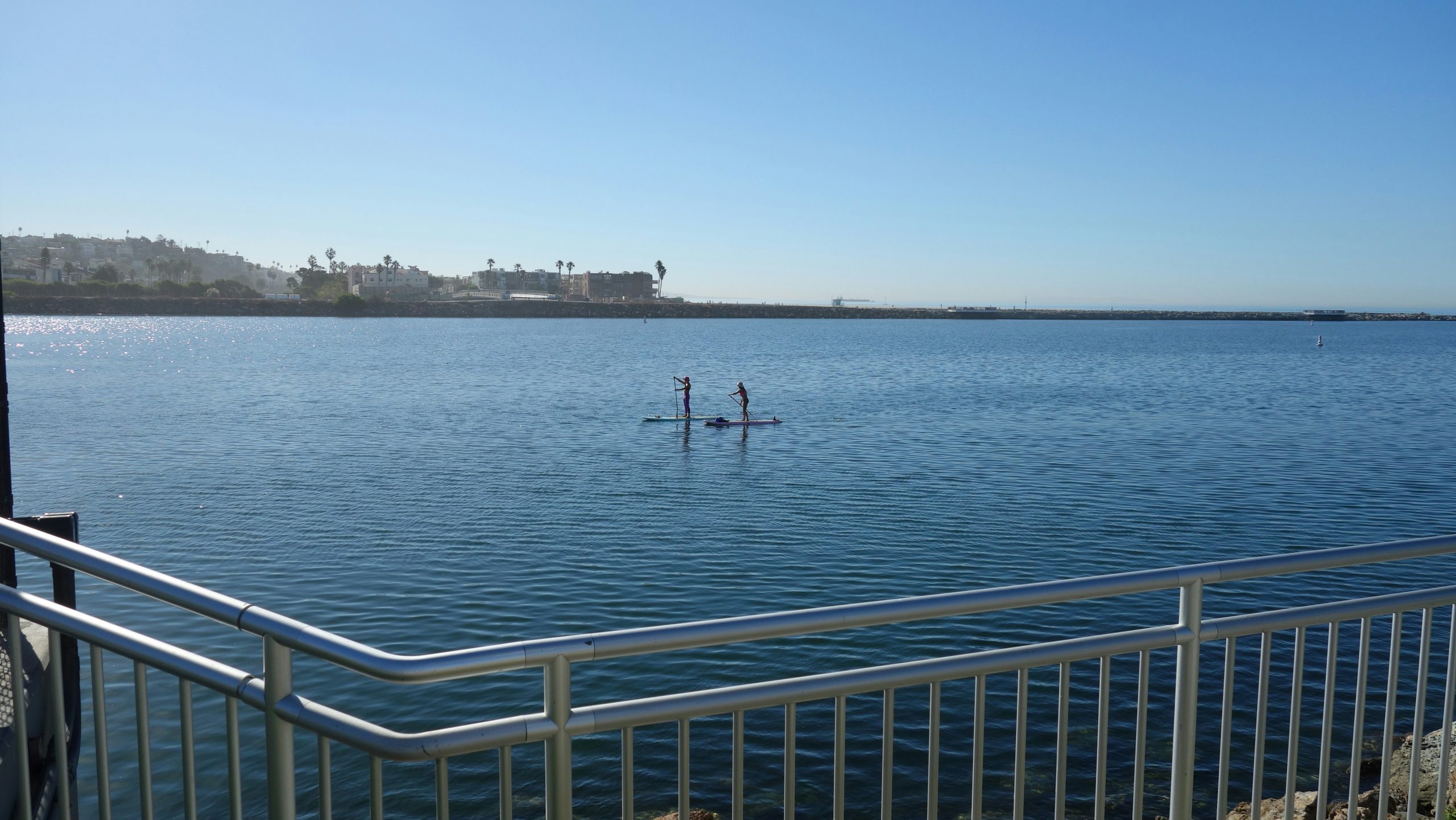
“The Jungle” is the affectionate local nickname for a small, tucked-away pocket of housing in Playa del Rey, closest to the beach where Culver Boulevard meets Vista del Mar. It refers to a cluster of closely-built apartments from 1956, bounded by Trolley Place and Trolleyway, and including Fowling, Rees, Sunridge, and Surf streets. The name comes from the deep green overgrowth that fills the narrow sidewalks between the homes, giving the area a lush, secluded, jungle-like feel. It is one of Playa del Rey’s most charming and distinctive micro-neighborhoods, steps from Toes Beach and Del Rey Lagoon.
Every great beach town has its insider spots, the pockets that only locals really know by name. In Playa del Rey, few are as beloved or as quietly iconic as “The Jungle.” If you have heard the term and wondered what it refers to, or if you are curious about one of the Westside’s most distinctive little coastal enclaves, this guide is for you.
We are the Stephanie Younger Group, based just up the hill in Westchester, and Playa del Rey is one of the neighborhoods we know and love. Here is the locals’ guide to The Jungle, what it is, how it got its name, and what makes it special.
The Jungle is a nickname, not an official neighborhood designation, and that is part of its charm. It refers to the small area of housing closest to the beach at the southern end of Playa del Rey’s main residential strip, right where Culver Boulevard joins Vista del Mar.
Specifically, it is a group of closely-built apartments constructed in 1956, bounded by Trolley Place on the east and Trolleyway Street on the west, and including the streets Fowling, Rees, Sunridge, and Surf. If you know those street names, you know exactly the pocket we mean. If you do not, they are worth a wander next time you are down near the beach.
The name is wonderfully literal. The apartments were built close together in the 1950s, with narrow sidewalks running between and around them. Over the decades, the lush coastal landscaping along those walkways grew in thick and green, deep overgrowth that gives the whole pocket a secluded, verdant, almost tropical feel.
Walk through on a warm afternoon and you will understand instantly. The density of the greenery, the tucked-away paths, the way the foliage closes in around the closely-set homes, it genuinely feels like a little jungle hidden steps from the sand. Locals took one look and the name stuck. It is the kind of organic, affectionate nickname that only emerges when a place has real character, and The Jungle has it in abundance.
The Jungle has a specific, hard-to-replicate vibe that sets it apart even within Playa del Rey, which is already one of the Westside’s most laid-back coastal neighborhoods.
It is genuinely steps from the beach. The whole appeal of The Jungle is its position, this is the housing closest to the sand at the southern end of PDR. You are a short walk from Toes Beach, the local surf spot whose name comes from the “toes on the nose” or hang-ten longboarding maneuver. Playa del Rey has a long, casual surf heritage, and The Jungle sits right in the heart of it.
It is lush and private. The dense greenery that gives the area its name also gives it a sense of seclusion unusual for a beach neighborhood. The narrow walkways and overgrown paths create pockets of privacy and a quiet, hidden quality that residents treasure.
It has a tight-knit, old-beach-town feel. The closely-built homes and shared walkways foster the kind of neighborly, run-into-each-other community that is increasingly rare. This is old Playa del Rey, the casual, unpretentious beach vibe that the neighborhood has held onto even as the rest of the Westside has grown up around it.
It is walkable to everything PDR. From The Jungle, the small Playa del Rey retail district at Culver and Vista del Mar, with its local restaurants, coffee, and shops, is an easy walk, as is Del Rey Lagoon Park.
Part of what makes The Jungle special is everything within walking distance:
The Jungle is one piece of a neighborhood with a genuinely fascinating history. Playa del Rey, Spanish for “Beach of the King,” began as the site of Los Angeles’s first attempt at a dredged harbor back in the 1870s, and was developed as a beach resort community in the early twentieth century. In its mid-century heyday, it was a destination surf and beach town that drew the likes of Dennis Wilson of the Beach Boys to Toes Beach.
Today it retains that casual, laid-back character while sitting right at the edge of the Silicon Beach corridor, minutes from the tech employers of Playa Vista, the beaches of the South Bay, and LAX. For many, that combination, a genuine old-beach-town feel with modern Westside convenience, is exactly the appeal. And The Jungle, with its lush walkways and steps-to-the-sand position, is one of the purest expressions of that character.
Ask anyone who knows Playa del Rey well and they will light up at the mention of The Jungle. It represents something increasingly rare in Los Angeles: a genuine, unpolished, character-rich beach pocket that has not been smoothed over. The overgrown walkways, the closely-set 1956 apartments, the surf-town heritage, the sense of a hidden world steps from the sand, it is the kind of place that makes people fall in love with coastal living.
It is also a perfect example of the hyperlocal knowledge that makes exploring the Westside so rewarding. These are the spots that do not show up in the big neighborhood overviews, the places you only learn about from someone who really knows the area. That is exactly the kind of local knowledge we bring to the neighborhoods we serve.
The Stephanie Younger Group is based just up the hill in Westchester at 7296 W. Manchester Avenue. Whether you are curious about Playa del Rey, The Jungle, or any Westside neighborhood, or just want to talk about the area, reach out at 310.499.2020 or online.
Q: What is “The Jungle” in Playa del Rey?
“The Jungle” is a local nickname for a small pocket of housing in Playa del Rey closest to the beach, where Culver Boulevard meets Vista del Mar. It refers specifically to a group of closely-built apartments from 1956, bounded by Trolley Place and Trolleyway Street and including Fowling, Rees, Sunridge, and Surf streets. It is one of the neighborhood’s most charming and distinctive micro-areas, steps from Toes Beach and Del Rey Lagoon.
Q: Why is it called “The Jungle”?
The name comes from the deep green overgrowth that fills the narrow sidewalks between the closely-built homes. The apartments were constructed close together in 1956, and over the decades the lush coastal landscaping along the walkways grew in thick, giving the whole pocket a secluded, verdant, almost tropical feel, like a little jungle hidden steps from the sand. The nickname arose naturally among locals and stuck.
Q: Where exactly is The Jungle located?
The Jungle is at the southern end of Playa del Rey’s main residential strip, closest to the beach, where Culver Boulevard joins Vista del Mar. It is bounded by Trolley Place on the east and Trolleyway Street on the west, and includes the streets Fowling, Rees, Sunridge, and Surf. It sits near Toes Beach and is a short walk from the Playa del Rey retail district and Del Rey Lagoon Park.
Q: What is it like to live in The Jungle?
The Jungle has a lush, private, tight-knit, old-beach-town feel. It is genuinely steps from the sand at Toes Beach, with dense greenery that provides seclusion unusual for a beach neighborhood, and closely-built homes with shared walkways that foster a neighborly community. It embodies the casual, unpretentious character that Playa del Rey has held onto, while being walkable to the neighborhood’s restaurants, coffee, shops, and Del Rey Lagoon Park.
Q: What is Toes Beach in Playa del Rey?
Toes Beach is the local stretch of sand near The Jungle, named after the “toes on the nose” or hang-ten longboarding maneuver. Playa del Rey has a long, casual surf heritage, and in its mid-century heyday Toes Beach drew surfers including Dennis Wilson of the Beach Boys. Today it remains an uncrowded, laid-back local beach, one of the draws of living in the area.
Q: What is near The Jungle in Playa del Rey?
Within walking distance are Toes Beach, Del Rey Lagoon Park (a 14-acre park with a six-acre lagoon locals call “the duck pond”), the Playa del Rey retail district with its restaurants and cafes, the Marvin Braude beach bike path connecting to Marina del Rey and beyond, and the Ballona Wetlands to the north. Playa del Rey also sits minutes from the Silicon Beach employers of Playa Vista, the South Bay, and LAX.