

SB 326 Balcony Inspection Deadlines: What Marina del Rey HOA Buyers Need to Know
Published on September 17, 2026 by
Stephanie Younger



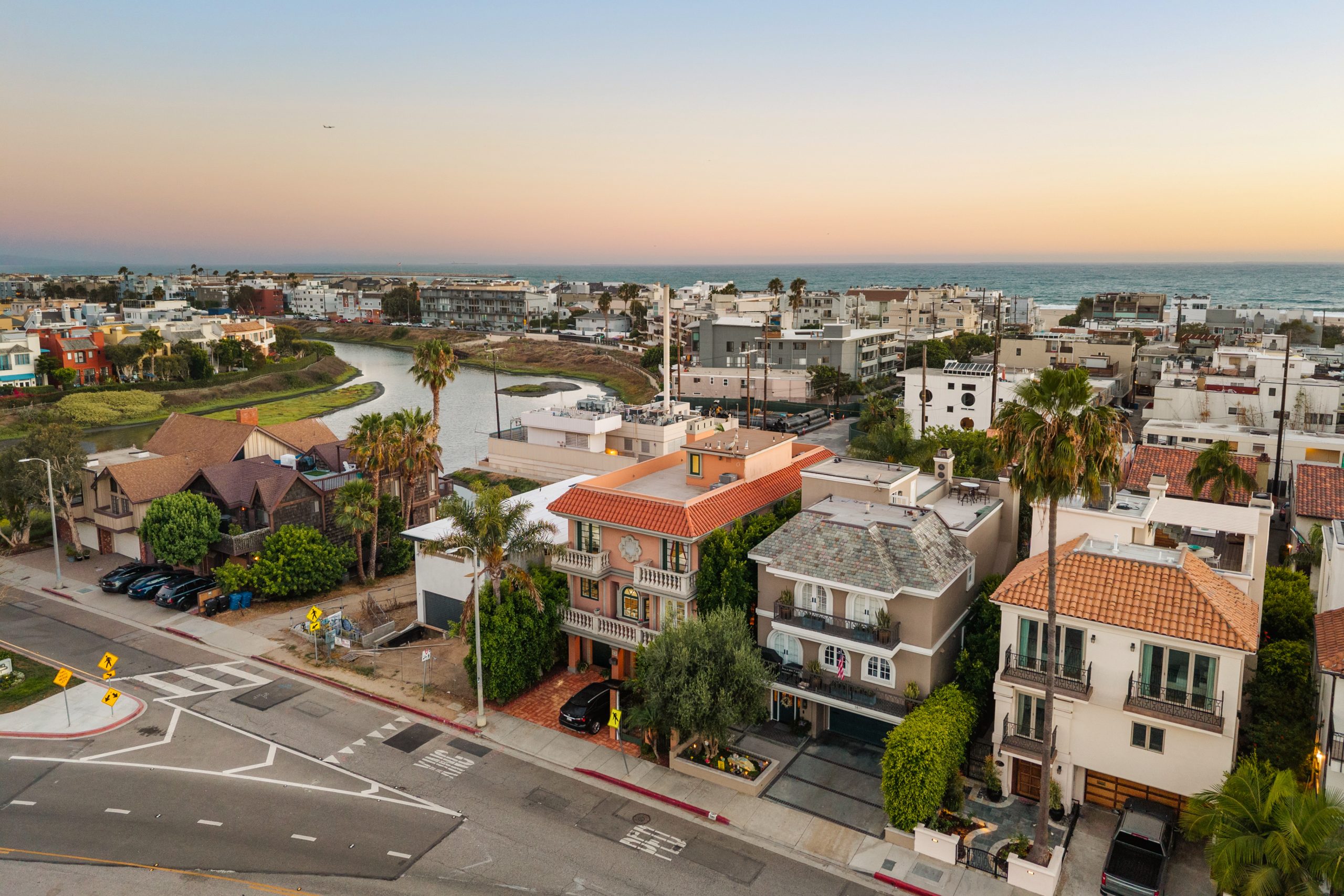
California Senate Bill 326 requires condominium homeowners associations with three or more units to complete structural inspections of all elevated exterior elements by January 1, 2027. Marina del Rey buyers must rigorously review inspection reports, HOA reserve studies, and special assessment disclosures during escrow to avoid assuming unbudgeted repair obligations after purchase.
Most condominium buyers assume that an association with substantial monthly dues and established cash reserves is fully prepared for state-mandated structural compliance. That reasoning is understandable. It is also, for buyers evaluating coastal properties in Marina del Rey, frequently incorrect.
Many coastal homeowners associations across Marina del Rey, Playa del Rey, and Venice have postponed mandatory exterior structural inspections due to rising vendor costs and fears of deferred maintenance disclosures. As the January 1, 2027 statutory deadline approaches, unresolved balcony inspections are triggering unexpected special assessments, delaying escrow closings, and complicating mortgage underwriting for prospective buyers.
California Senate Bill 326, codified under California Civil Code Section 5551, governs structural safety requirements for multi-family residential structures organized as common interest developments. The law mandates that condominium associations containing three or more units must conduct a physical inspection of all load-bearing exterior elevated elements. These elements include balconies, decks, porches, stairways, entry walkways, and elevated railings that rely on timber or wood-framed structural support systems.
Qualified licensed structural engineers or architects must perform the physical assessment using invasive testing methods or infrared thermography to identify hidden dry rot, decay, or moisture intrusion. The statute mandates a statistically random sampling protocol that achieves a 95 percent confidence interval regarding the structural soundness of the overall complex. Associations that fail to complete these physical inspections prior to the January 1, 2027 statutory deadline face civil liability exposure, potential insurance policy cancellations, and severe title friction during real estate transfers.
The marine atmosphere in Marina del Rey subjects elevated building components to continuous moisture penetration and accelerated salt-air corrosion. Moisture framing damage in coastal pockets such as Via Marina, the Silver Strand corridor, and the Peninsula occurs at three to five times the rate observed in inland micro-markets like Culver City or Westchester. Waterproofing membranes installed during initial construction on properties built between 1970 and 1998 frequently fail after twenty to thirty years of active coastal exposure.
When visual inspections or moisture testing expose subsurface decay, initial repair estimates routinely double or triple once exterior stucco and tile cladding are removed. A simple waterproofing seal application costing $3,000 to $5,000 can quickly escalate into a $20,000 structural framing overhaul per balcony module. Across multi-unit developments featuring forty to two hundred units, total remediation master contracts consistently range between $1,500,000 and $8,000,000, requiring homeowners associations to levy emergency special assessments on current title holders.
Buyers navigating escrow on Marina del Rey condominiums must execute a detailed audit of all association records before waiving structural and financial contingencies. A comprehensive document package must extend beyond standard financial statements to include the formal SB 326 visual inspection report, the most recent reserve study, and complete board meeting minutes from the preceding twenty-four months.
In our work guiding buyers through multi-unit condo transactions across Marina del Rey, Playa del Rey, and the Oxford Triangle adjacent pockets, we routinely find that pending assessment discussions appear in board minutes months before any formal assessment is officially voted upon by homeowners. Buyers who examine meeting minutes frequently uncover active discussions regarding engineering proposals, deferred maintenance notices, or preliminary structural advisories that do not yet appear on standard HOA seller disclosures.
Negotiating financial concessions regarding Senate Bill 326 compliance depends heavily on the completion stage of the inspection report and the financial posture of the homeowners association.
When Requesting Credits or Price Adjustments Makes Sense:
Requesting a purchase price credit or seller-funded escrow holdback makes sense when the association has completed the formal SB 326 structural report, quantified the exact repair cost per unit, and formally passed a special assessment resolution. In this scenario, the financial liability is fixed, easily calculated, and assignable. For example, if an association has approved a $35,000 special assessment per unit payable over two years, a buyer can reasonably request that the seller credit the full $35,000 balance at closing or lower the sales price accordingly. This approach protects buyer cash reserves while allowing the transaction to close on schedule.
When Requesting Credits Does Not Make Sense:
Demanding a flat seller credit does not make sense when the homeowners association has not yet completed its initial SB 326 inspection, or when an completed inspection report reveals significant structural decay without a finalized contractor repair bid. In these circumstances, attempting to estimate potential financial exposure is purely speculative. A buyer who accepts a nominal $10,000 seller credit in exchange for assuming unknown future assessment liabilities risks facing a $50,000 assessment six months after closing. When structural damage is confirmed but repair costs remain unquantified, the prudent course of action is to demand that the seller pay for an independent engineering cost estimate, or walk away from the purchase entirely.
Fannie Mae, Freddie Mac, and private jumbo lenders have instituted rigorous underwriting guidelines regarding deferred maintenance and structural safety in condominium developments. Under current Fannie Mae Lender Letter directives, mortgage lenders require loan underwriters to review association property questionnaires, building inspection reports, and maintenance records for all attached housing units.
If an SB 326 inspection report identifies structural damage marked as an immediate safety hazard, conventional and jumbo lenders will decline loan approval until repairs are completed and re-inspected by a structural engineer. Furthermore, if an association levies a special assessment to finance balcony repairs, lenders verify whether the homeowner has settled the assessment or if the monthly dues payment calculation includes the new assessment debt service ratio. In an interest rate environment where 30-year fixed jumbo mortgage rates hover between 6.25% and 6.75%, an unexpected $400 to $800 monthly assessment allocation can push a buyer's debt-to-income ratio past allowable underwriting limits.
Protecting buyer capital during a Marina del Rey condo purchase requires drafting explicit, customized contingency provisions within the California Association of Realtors Residential Purchase Agreement. Standard boiler-plate contingencies often prove insufficient when dealing with complex municipal or state statutory compliance timelines.
Buyers should negotiate explicit contract language that binds the seller to satisfy any SB 326 special assessment levied prior to the close of escrow, regardless of whether the assessment payment schedule extends into future years. Additionally, escrow instructions must explicitly state that contingency removal is conditional upon the buyer reviewing and approving the complete, stamped SB 326 structural engineering report. If an association fails to produce an engineering report prior to the expiration of the inspection contingency, the buyer retains the contractual right to extend the contingency window or cancel the agreement with a full refund of their initial earnest money deposit.
Our team remains focused on helping buyers analyze complex HOA risk factors across Marina del Rey and the Westside. We are happy to review property records and run financial impact calculations for your specific home purchase scenario.
What is the SB 326 balcony inspection deadline for California condo HOAs?
The statutory deadline for California condominium homeowners associations to complete their initial exterior elevated element inspection under California Civil Code Section 5551 is January 1, 2027. This requirement applies to all common interest developments featuring three or more residential units with timber-framed balconies, decks, stairways, or walkways elevated more than six feet above ground level. Associations must retain a licensed structural engineer or architect to execute the inspection and produce a formal compliance report.
How do unresolved balcony inspection reports impact a condo buyer's escrow in Marina del Rey?
Unresolved balcony inspection reports can cause severe transaction delays, loan denials, or unexpected financial liabilities during escrow. If an engineering report exposes unbudgeted structural damage or safety hazards, conventional and jumbo mortgage lenders will often suspend loan approval until repairs are fully funded or completed. Additionally, buyers may be forced to negotiate price concessions or accept substantial post-closing special assessments if the inspection findings are finalized while escrow is open.
Who pays for SB 326 balcony repairs during a residential real estate transaction?
Responsibility for paying SB 326 balcony repairs depends entirely on contractual terms negotiated between the buyer and seller during escrow. If the homeowners association levies a special assessment prior to closing, standard purchase agreements typically require the seller to pay the assessment in full unless explicit contractual addendums state otherwise. However, if the assessment is passed after title transfers, the buyer assumes full financial responsibility for all future repair payments billed by the association.
What documents should buyers request from a Marina del Rey HOA regarding structural safety?
Buyers should request a complete documentation package that includes the official SB 326 stamped structural engineering inspection report, the most recent reserve study updated within the past two years, and board meeting minutes covering the previous twenty-four months. Buyers must also review current year budget statements, insurance policy schedules, master facility maintenance plans, and written disclosures regarding pending or proposed special assessments related to exterior building maintenance.
Can a buyer obtain a mortgage on a Marina del Rey condo if the HOA missed the SB 326 deadline?
Obtaining a mortgage on a condominium complex that fails to meet state structural inspection deadlines is exceedingly difficult under current underwriting rules. Major secondary market loan purchasers, including Fannie Mae and Freddie Mac, require automated lender clearance forms confirming compliance with structural safety laws. If an association cannot provide proof of an executed inspection contract or completed report as the January 1, 2027 deadline nears, lenders may decline financing for the entire development.