

Why SYG Open Houses Draw 4x More Buyers Than the LA Average
Published on May 19, 2026 by
Stephanie Younger

Compass runs a weekly open house attendance survey across Southern California. The weekend of May 9th, 613 Compass open houses were held across the region. The average attendance on the Westside came in at 8.04 parties per open house.
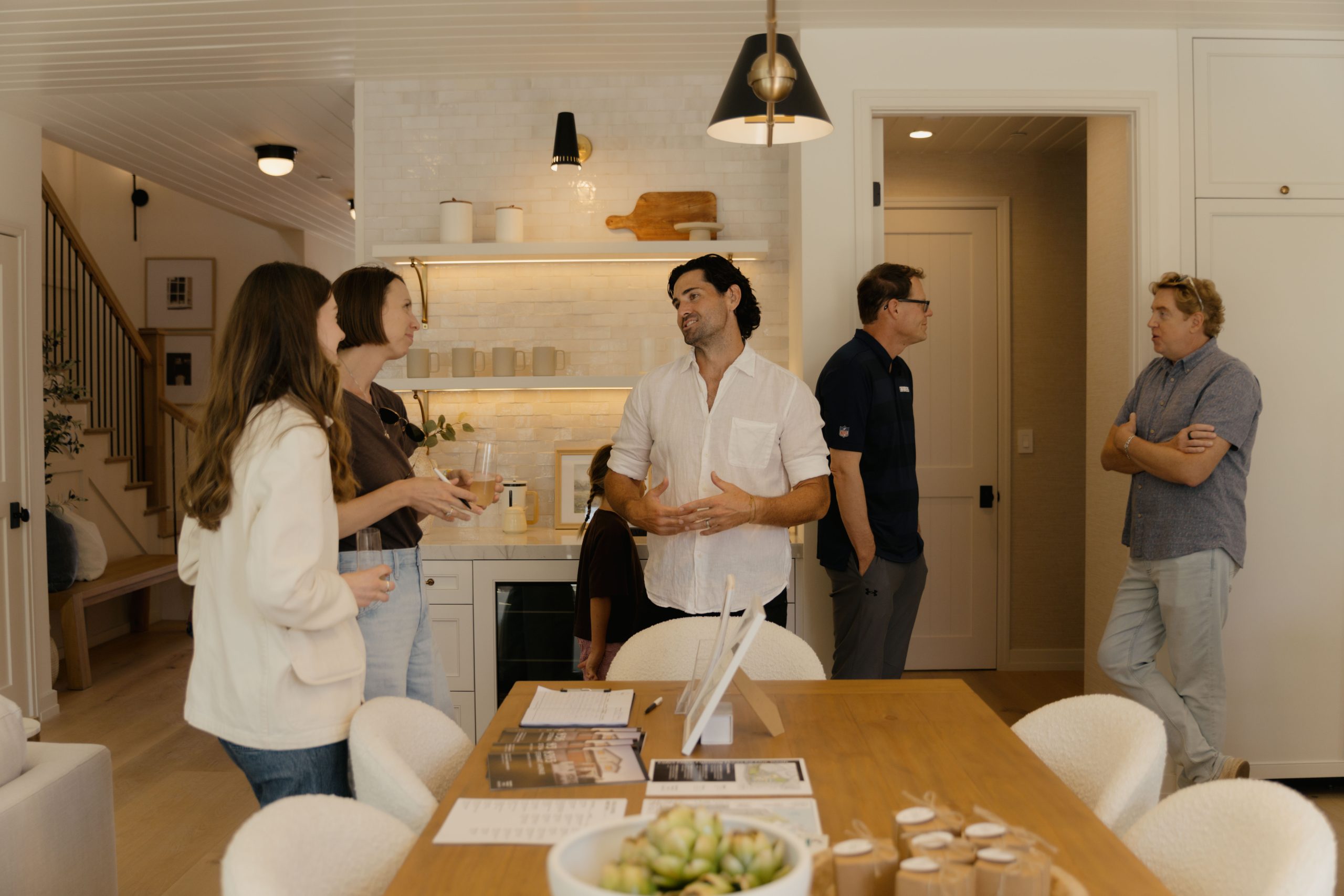
The following weekend, the Stephanie Younger Group's open houses averaged 48 parties. That is 433% above the Compass Los Angeles average.
Remove one property — a unique listing that drew extraordinary traffic on its own — and the number is still 275% above market average.
We are sharing this not to be self-congratulatory. We are sharing it because it illustrates something concrete and consequential for sellers: the open house is not a passive event. It is a marketing program. And the difference between 8 parties and 48 parties at a Westside open house is not luck or location. It is the result of specific decisions made in the days and weeks before anyone walks through the door.
The SoCal open house survey is useful context for anyone trying to understand where buyer demand is actually concentrating right now. A few observations from the May 9th data worth noting:
The $1 million to $2 million price range remains the most active segment across all of Southern California, averaging 8.94 parties per open house — the highest of any price bracket. This is the core of the Westside market, and it is where buyer competition is most consistent.
Three and four-bedroom single-family homes continue to drive the majority of open house traffic. Four-bedroom properties actually saw attendance increase week over week, bucking the broader trend of softening across most segments. The data confirms what we see in our own transactions: buyers in this market are looking for family-scale homes, and well-priced single-family product in the right neighborhoods is still drawing real competition.
First open houses command a meaningful premium over subsequent showings — 9.79 parties on average for a first open house versus 7.79 for subsequent events. The freshness of a listing matters. Buyers pay attention to days on market and they show up in greater numbers when a home is new to them. This is one of the core arguments for a structured, well-prepared launch rather than a soft listing that drifts onto the market without a plan.
Sunday outperforms Saturday consistently — 8.63 average parties versus 7.83. Small difference in absolute terms, but worth factoring into scheduling decisions for listings where timing is flexible.
The Westside average of 8.04 parties tells you what happens when an open house is treated as a standard procedure — a box to check, a sign in the yard, a two-hour window on a Sunday afternoon.
What our number tells you is what happens when the open house is treated as the centerpiece of a launch strategy. Here is the difference in practice.
The preparation phase. The condition and presentation of a home at the open house is not accidental. It is the result of decisions made weeks earlier about what to fix, what to stage, what to photograph, and how the property should read to a buyer walking in for the first time. Compass Concierge allows us to fund those improvements upfront and recoup the cost at closing, which means sellers do not have to choose between preparing their home well and keeping cash in their pocket during the process. A home that photographs beautifully, shows cleanly, and presents a coherent story attracts more buyers than one that was listed as-is and hope for the best.
The pre-marketing window. Coming Soon campaigns, targeted email outreach to our active buyer database, and social content that builds awareness before the property is publicly available all create a pipeline of motivated buyers who arrive at the first open house already interested rather than casually browsing. The first open house premium — the data shows this clearly — is real and it is earned in the days before the doors open, not on the day of.
The database. The Stephanie Younger Group has been the dominant team in Westchester and the surrounding Westside corridor for years. That history means we have a deep, active buyer database of people who have registered interest in this specific market, at specific price points, across specific neighborhoods. When a property comes to market that matches a buyer's criteria, they hear about it from us directly — not from a Zillow notification a day after the listing goes live. That direct outreach is one of the most underrated drivers of open house attendance.
The marketing infrastructure. Professional photography and videography built for marketing — not documentation. Premium placement on Zillow, Realtor.com, and Homes.com. Targeted social content reaching buyers who match the property's demographic profile. On-site signage. Coordinated email campaigns. Each of these channels brings a different segment of the buyer pool to the same front door on the same Sunday afternoon. The result is not 8 parties. It is 48.
The agent presence. An open house run by an agent who knows the neighborhood, knows the data, and can answer any question a buyer walks in with is a different experience than one staffed by whoever was available. Our agents know Westchester. They know the schools, the commute times, the comparable sales, and the specific value drivers of every property we represent. That knowledge converts curious visitors into serious buyers in ways that a sign-in sheet and a brochure cannot.
The gap between 8 and 48 is not just an attendance statistic. It is the difference between a negotiating environment and a seller's market at the property level. When 48 parties have walked through a home over a weekend, the seller is in a position of strength. Multiple buyers who have seen the same property are more likely to compete. Buyers who know others are interested are less likely to lowball. Offers tend to be cleaner, faster, and priced more aggressively when the buyer pool is real and visible.
That is the outcome the open house program is designed to produce. Not foot traffic for its own sake — leverage for the seller in the negotiation that follows.
If you are considering listing your home in Westchester or anywhere on the Westside, the open house strategy is one of the most specific and consequential conversations worth having before you decide who to work with. We are happy to walk through exactly what our program looks like for your specific property.
Based on available Compass Beverly Hills office open house attendance data for the weekend of May 15, 2026. Statistics are approximate and not guaranteed to predict future results.
Call 310.499.2020 or reach out online to talk through what a launch strategy looks like for your home.
Q: How many parties typically attend an open house on the Westside of Los Angeles? According to Compass's weekly SoCal open house survey for the weekend of May 9, 2026, the average attendance on the Westside was 8.04 parties per open house across 46 properties. The SoCal-wide average across all regions was 8.17 parties. The $1 million to $2 million price range, which represents the core of the Westside market, averaged 8.94 parties — the highest of any price bracket in the survey.
Q: What does the Stephanie Younger Group's open house program produce in terms of attendance? SYG open houses averaged 48 parties the weekend of May 15, 2026 — 433% above the Compass Los Angeles average, or 275% above market average excluding one exceptional listing. That performance is the result of a structured pre-marketing program, a deep active buyer database, professional marketing infrastructure, and experienced local agents who know how to convert open house visitors into serious buyers.
Q: Why does open house attendance matter for sellers? Higher open house attendance creates a more competitive buyer environment at the property level. When multiple motivated buyers have seen the same home in the same weekend, they are more likely to submit competing offers, less likely to negotiate aggressively on price, and more likely to move quickly. Open house attendance is not a vanity metric — it is a direct input into the negotiating leverage a seller has when offers come in.
Q: What is the best day for an open house in Los Angeles? Sunday consistently outperforms Saturday in Southern California open house data. The Compass May 9th survey showed Sunday averaging 8.63 parties versus Saturday's 7.83. For sellers with scheduling flexibility, Sunday open houses generally attract more traffic.
Q: What makes the first open house more important than subsequent ones? Compass data shows first open houses average 9.79 parties compared to 7.79 for subsequent events — a 25% premium for the initial showing. Buyers respond to new listings, and the first open house captures the concentrated attention of buyers who have been waiting for the right property to hit the market. This is one of the strongest arguments for preparing a home fully before listing rather than coming to market early and refining the presentation over time.


