

Home Values Are Rising Again — What the February 2026 Data Means for Los Angeles Buyers and Sellers



Sign Up
for news & updates
Get the latest insights delivered to your inbox.
We respect your privacy and reach out thoughtfully.
Main Content
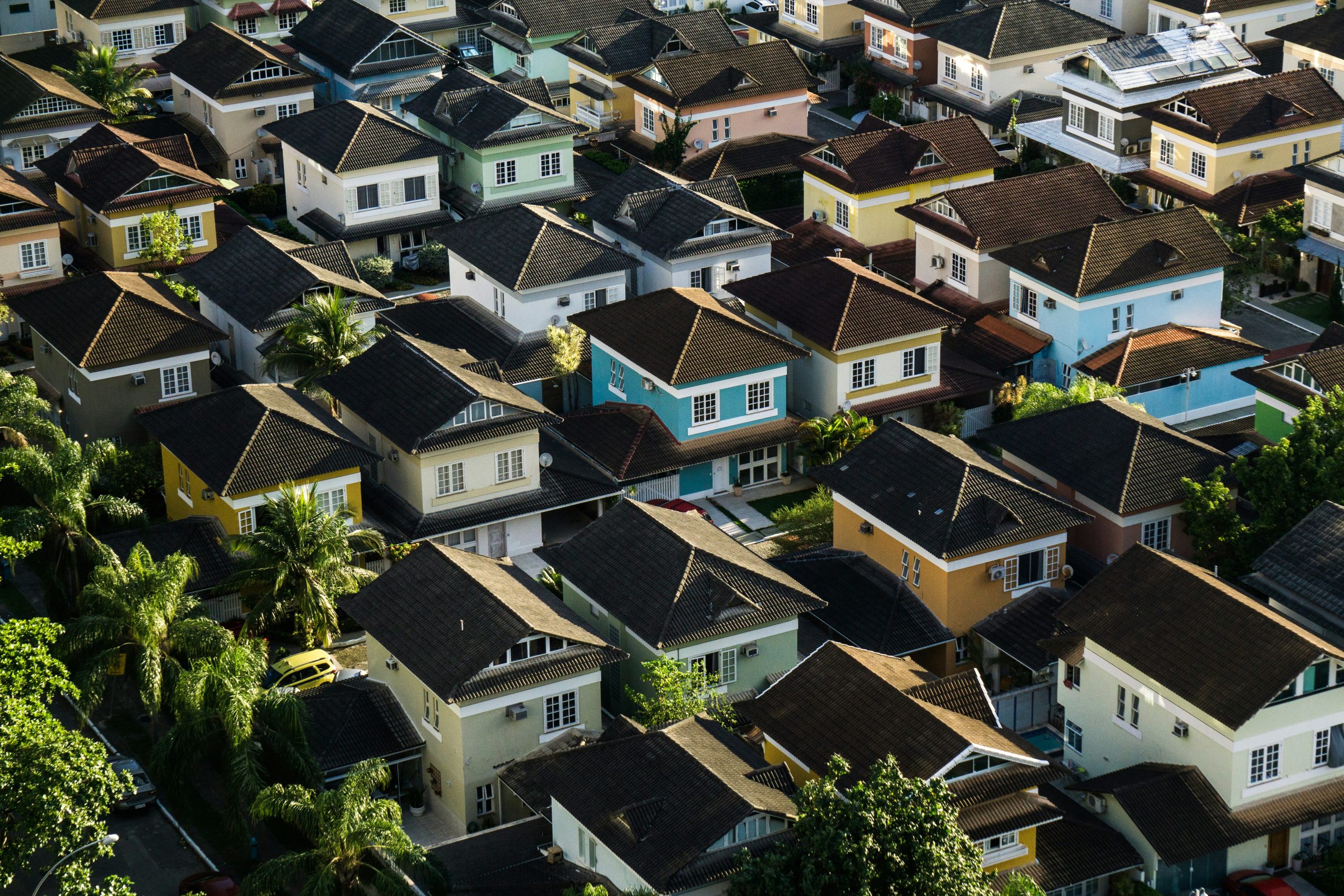
After seven months of flat or declining numbers, U.S. home values ticked upward in February 2026 — a modest but meaningful shift that signals the housing market may finally be turning a corner.
Zillow's February 2026 Market Report, released this week, shows the national Zillow Home Value Index rising 0.1% month over month, with existing home sales climbing 1.8% compared to a year ago. The report's chief economist described the data as "an early glimmer of hope that the housing market has turned a corner after three years bouncing along the bottom."
For Los Angeles buyers and sellers — particularly those watching the Westside — here's what the national data means locally, and what it signals about the months ahead.
For a deeper look at how these trends are playing out across specific LA neighborhoods, visit our Los Angeles Market Statistics page.
The National Picture: What Zillow's February Report Shows
The headline numbers from Zillow's February 2026 report paint a picture of a market cautiously regaining its footing:
| Metric | February 2026 Data |
| Typical U.S. home value | $361,371 |
| Month-over-month value change | +0.1% |
| Year-over-year value change | +0.4% |
| Typical monthly mortgage payment | $1,738 (assuming 20% down) |
| Year-over-year payment change | -7.7% |
| Active listings nationwide | ~1.12 million |
| Inventory change year-over-year | +5% |
| Homes sold in February | ~239,910 |
| Year-over-year sales change | +1.8% |
| Homes going pending faster than last month | 19 days faster |
| Listings with price cuts | 20.3% (down from recent months) |
A few numbers stand out. The typical monthly mortgage payment has dropped 7.7% compared to a year ago, and lower mortgage rates have increased buying power by roughly $30,000 for a median-income household. That's a tangible affordability improvement — not dramatic, but real — and it's showing up in buyer behavior.
Newly pending listings rose 3.5% compared to last year and climbed 11.1% from January, suggesting that buyers who have been sitting on the sidelines are starting to move. The percentage of listings taking price cuts — 20.3% — is falling, which points toward sellers regaining some confidence in holding their price.
What This Means Specifically for Los Angeles
The national data provides useful context, but Los Angeles operates differently than the rest of the country — and the Westside operates differently than the rest of LA. Here's how the national trends translate locally.
LA Home Values: A Market in the Early Stages of Stabilization
The average home value in Los Angeles currently sits at approximately $970,592 — down about 0.5% over the past year, which is a more modest decline than some forecasters anticipated. What's notable is the divergence between price tiers.
The high tier in LA (median around $1,749,000) is actually appreciating at 7.1% year over year — far outpacing the middle tier at 1.7% and the low tier, which has seen slight declines. This divergence reflects a key reality: premium Westside neighborhoods are still seeing strong demand from high-income buyers, while entry-level segments face the brunt of the affordability squeeze.
For Westside buyers and sellers, this matters. The median sale price in the Westside reached $1.8 million last month, up 7.5% since last year, with homes selling after about 46 days on market — significantly faster than the 68 days seen a year ago.
Inventory Is Up — But Supply Remains Tight
Los Angeles County inventory is currently about 20% higher than it was in January 2025 — enough to give buyers meaningful breathing room to evaluate properties rather than making snap decisions in 24 hours. This is a real change from the post-pandemic frenzy, and it matters for how you approach both buying and selling.
But "more inventory" doesn't mean "oversupply." Los Angeles County had just 2.8 months of supply as of late 2025 — well below the 5–6 months that typically defines a balanced market. The market has more options than it did two years ago, but scarcity of good inventory is still the baseline condition.
The Rate Picture: What "Sub-6%" Means for LA
One of the most significant tailwinds in the current market is mortgage rates. For the first time since the early 2020s, mortgage rates are dipping just below the 6% mark — a psychological and financial threshold that's creating a cleaner read of the data and suggesting 2026 will be the first year of meaningful growth in existing home sales in nearly half a decade.
This matters in LA because of the lock-in effect. Thousands of Westside homeowners have been reluctant to sell because doing so meant giving up a 3% or 4% mortgage and taking on a new one at 7% or higher. As rates approach 6%, that calculus changes — and more sellers entering the market means more choices for buyers, while simultaneously meeting pent-up demand that's been building for years.
What the Data Signals for Buyers Right Now
If you've been waiting for a clearer sign of where this market is heading before committing to a purchase, the February data offers a few useful signals:
Affordability has genuinely improved. Monthly mortgage payments are down nearly 8% year over year on a national basis, and buying power has increased by approximately $30,000. For a Westside buyer looking at a $1.5 million home, that translates to a real difference in what you qualify for and what you pay each month.
Competition hasn't returned to pandemic levels — but it's picking up. Homes went pending in a median of 28 days in February — 19 days faster than January, and the share of homes receiving price cuts is declining. The window of buyer leverage that characterized late 2024 and early 2025 is narrowing, not widening.
Waiting has a cost. The cost of waiting is now higher than the cost of entry for many buyers. The financing spread has narrowed, inventory is at its highest level since 2020, and the data is finally on the buyer's side — but that window is time-limited if the trend toward recovery continues.
What the Data Signals for Sellers Right Now
For Los Angeles homeowners thinking about listing, February's data is encouraging but not permission to overprice.
The Stephanie Younger Group averaged $972 per square foot in 2025 — 8% above the market average — and sold homes in an average of 28 days, 35% faster than the area norm. Both of those results came from pricing strategy and preparation, not from market tailwinds. In a recovery, the gap between well-executed listings and poorly-executed ones tends to widen — buyers have more choices, and they compare carefully.
The Los Angeles housing market is not experiencing a boom or a bust — it is experiencing normalization. Homes that are priced correctly and positioned thoughtfully are selling. Homes that rely on optimism rather than data are sitting.
The February uptick in values is a positive signal — but it rewards sellers who approach the market with current data, not 2021 expectations.
The Bottom Line for LA Buyers and Sellers
February 2026 is the first month in seven where the trend lines are clearly pointing in the same direction: values up, sales up, payments down, inventory higher but still tight, and buyer activity accelerating. Whether this is the start of a durable recovery or a seasonal bounce influenced by weather disruptions — Zillow noted that January's softer numbers were likely affected by severe winter weather — will become clearer over the next 60 to 90 days.
What isn't ambiguous is the direction of the local market on the Westside. Premium properties are appreciating. Rates are the most favorable in three years. Inventory is higher than it's been since 2020. For buyers who've been waiting, the conditions are increasingly favorable. For sellers who are ready, the window for strategic positioning is open.
If you want to understand specifically what this means for your home or your search — down to the neighborhood and price tier — that's exactly the conversation we're here to have.
Find out what your home is worth today →
Search current Westside listings →
Talk to the Stephanie Younger Group →
The Stephanie Younger Group | Compass | Los Angeles
National data sourced from Zillow's February 2026 Market Report. Los Angeles and Westside data sourced from Zillow, Redfin, and MLS closed sales data. Team performance statistics based on MLS sales, January 1 – December 21, 2025.
More From Our Blog






Social Media
Follow
on Instagram
on Instagram


